
Gods, temples, and religion
Maat and the order of the world, the gods and their temples, the king as priest, the festivals, and the religion of the Aten at Amarna. The articles go with the units on gods, kings, and temples and on Amarna.
Articles
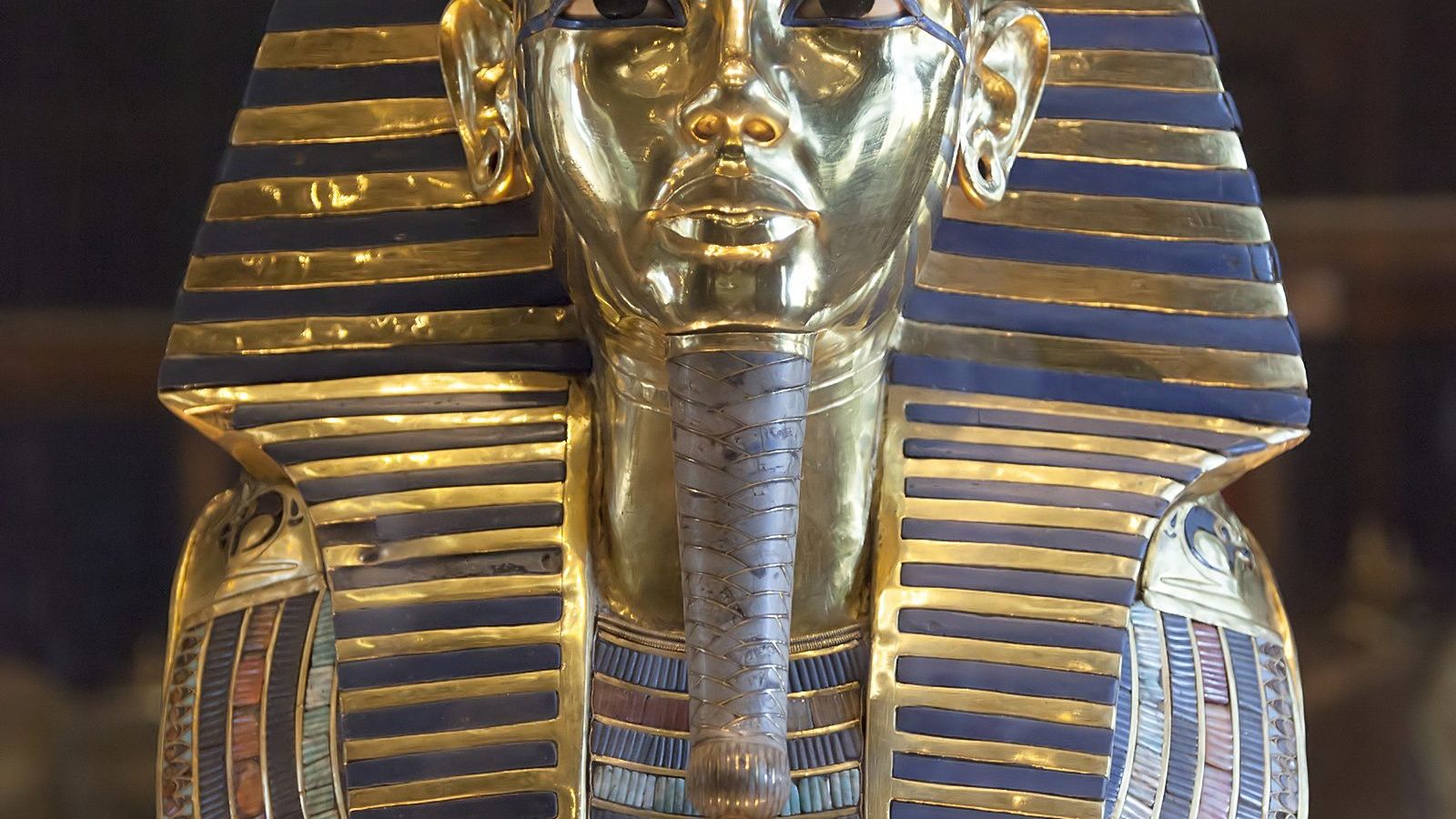
Tutankhamun's tomb by the numbers
Four rooms, about 5,400 objects, ten years of clearance, and a king who reigned for about nine years and died before he was twenty. The tomb that made Egyptology famous, counted.
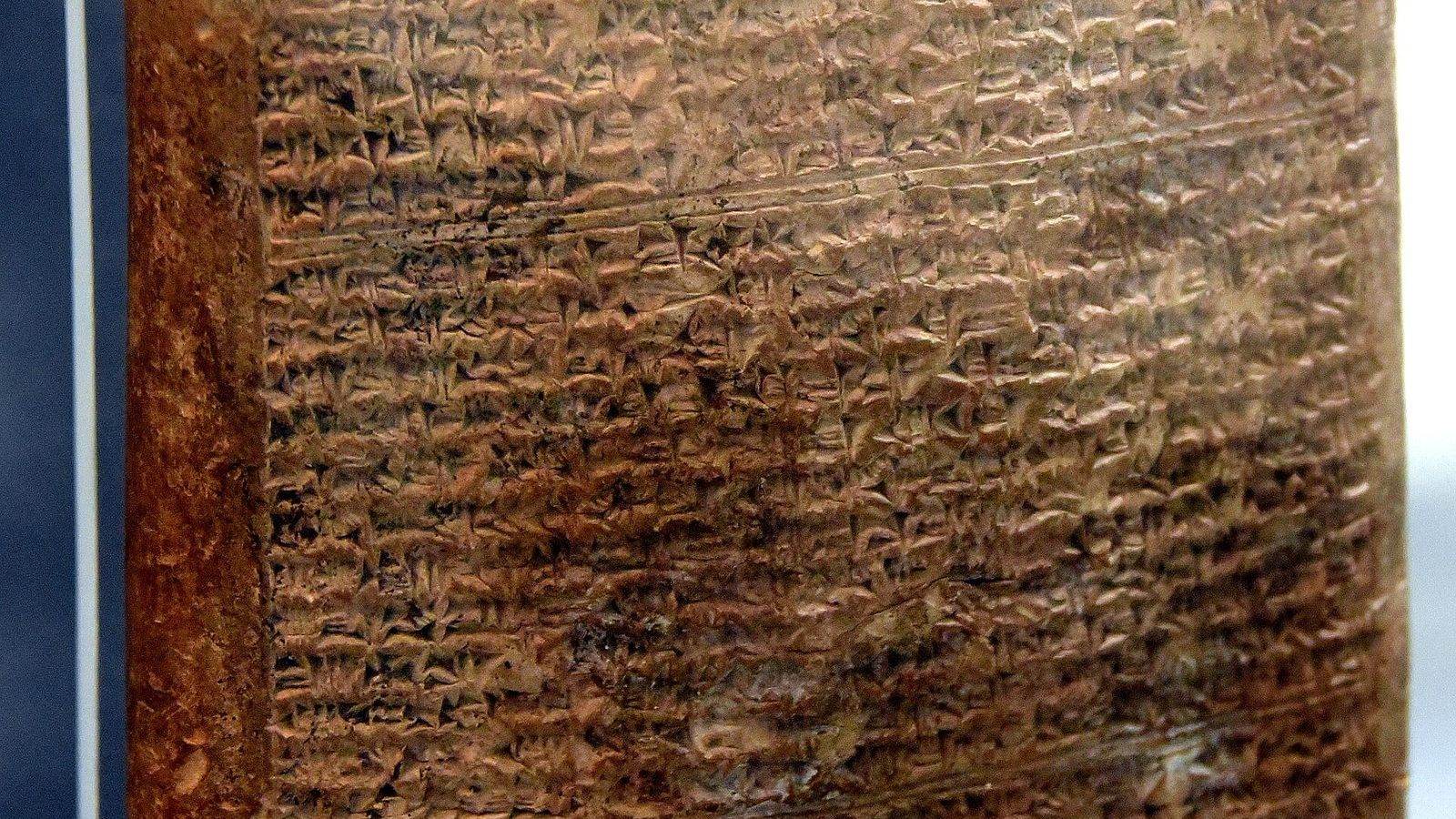
The Amarna letters, the oldest diplomatic archive
In 1887 a woman digging for fertilizer in the ruins of Akhenaten's city found clay tablets covered in cuneiform. They were the foreign correspondence of the kings of Egypt in the fourteenth century BC, and they show an international system with rules.
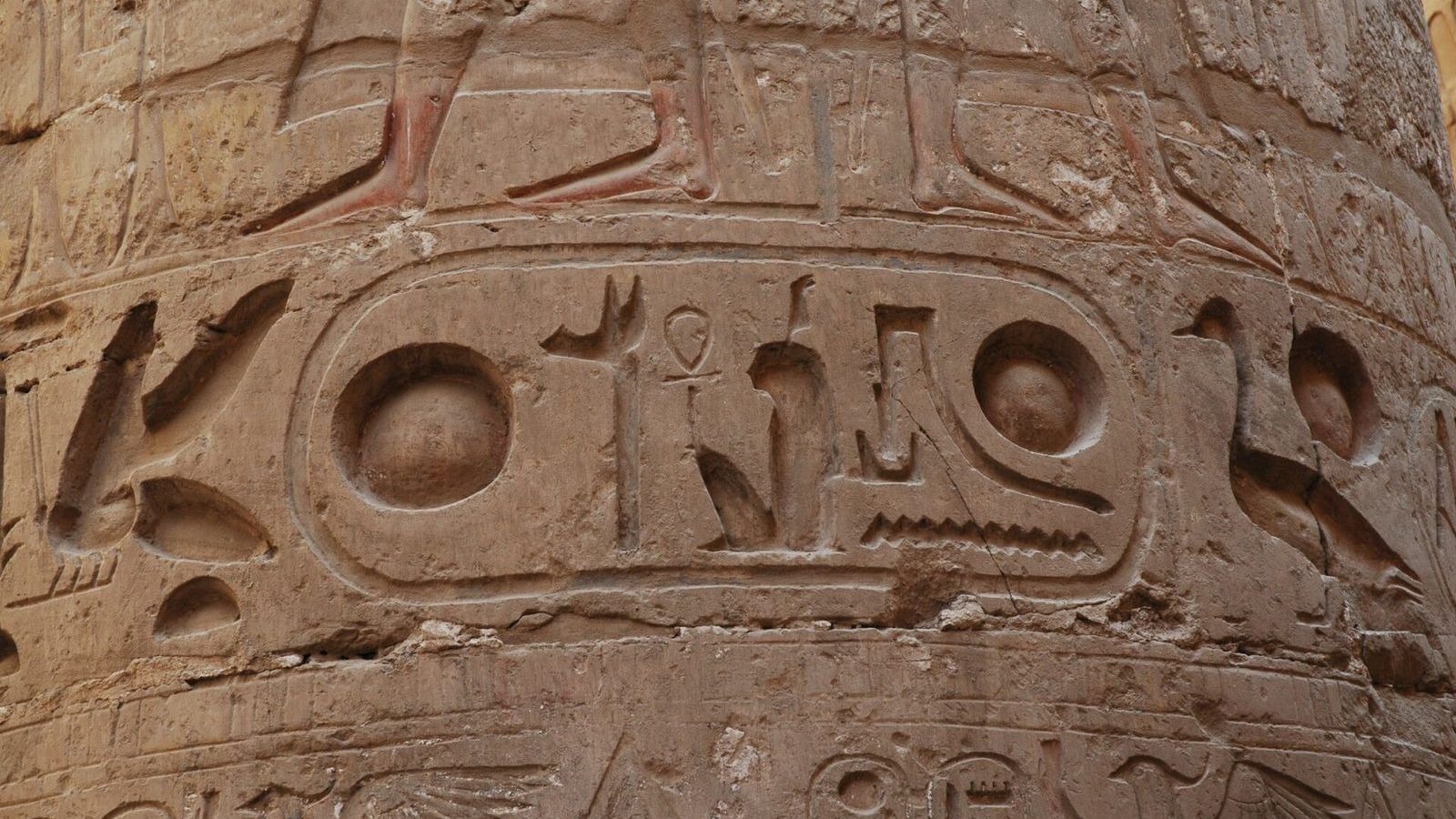
How to read a cartouche in a museum
Ten signs are enough to read the names of most of the famous kings of Egypt on the objects in any museum. Here they are, with the rules for putting them together and a worked example.
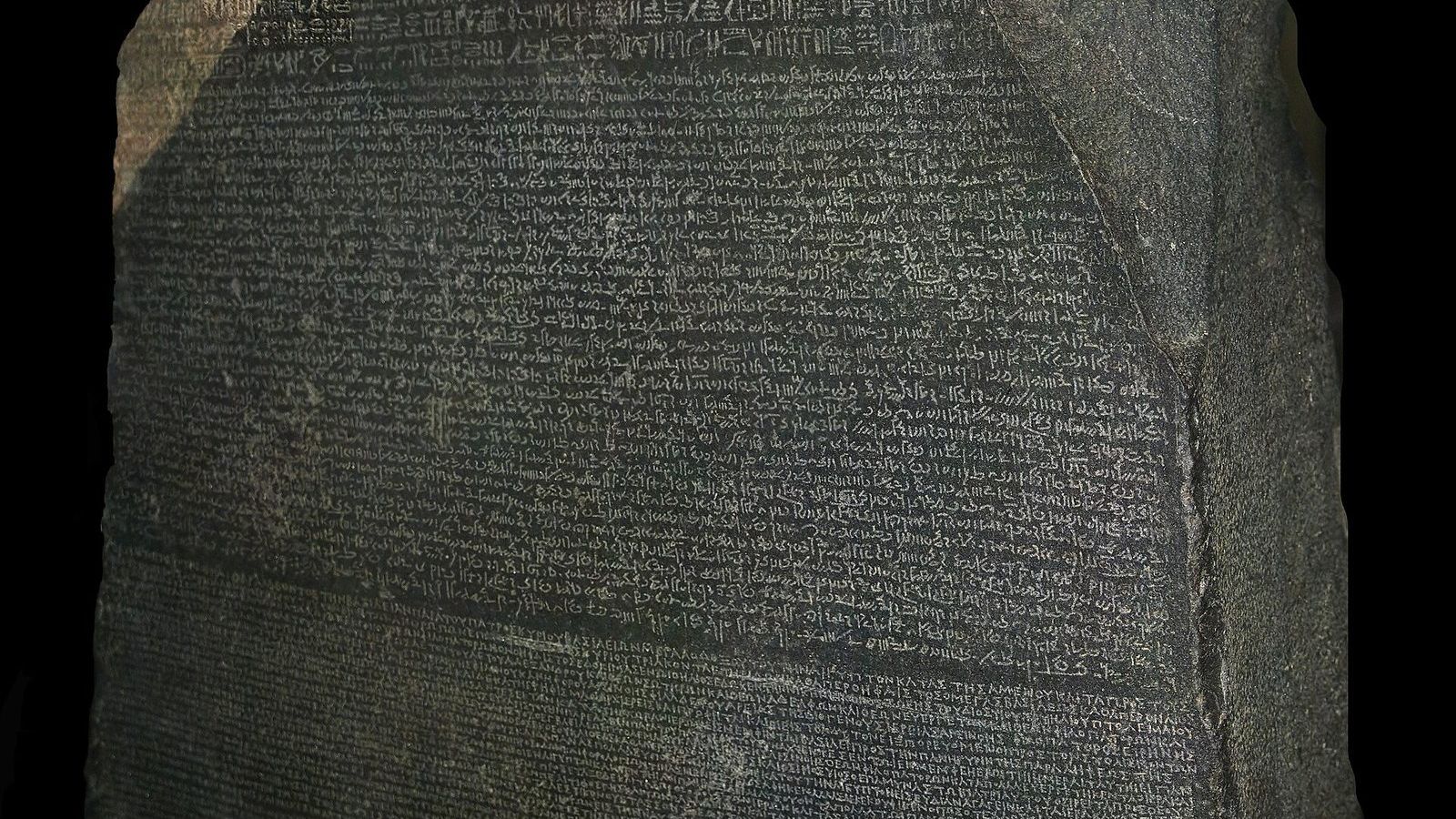
What the Rosetta Stone actually says
Everyone knows that the Rosetta Stone unlocked hieroglyphs. Few people know what is written on it: a tax deal between a boy king and the priests of Egypt, dated 27 March 196 BC, with the terms set out clause by clause.