
Kings, empire, and chronology
How Egypt's three thousand years are dated, by king lists, the civil calendar, and radiocarbon models, and the kingdoms, empires, and foreign dynasties that filled them: the Middle Kingdom, the New Kingdom and its diplomacy, the Kushite pharaohs, and the Ptolemies and Rome. The articles go with the units on Egyptian history.
Articles

How to date a pharaoh with radiocarbon
A single radiocarbon date is too imprecise to say which king was on the throne. Two hundred of them, combined with the order and length of the reigns, can fix the start of Egyptian history to within a few decades. Here is how it was done, without the mathematics.
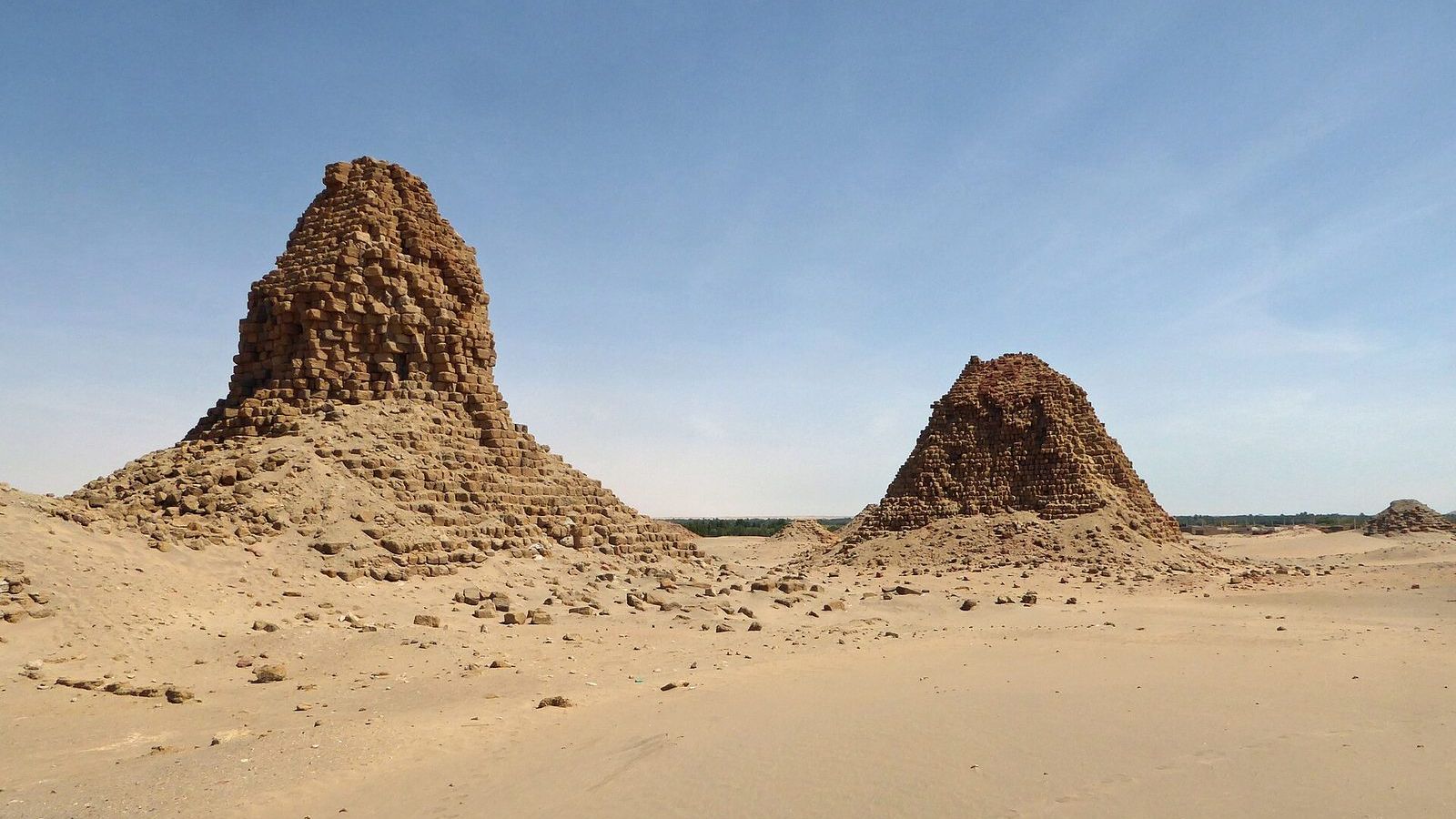
The Kushite pharaohs
For about a century from the 740s BC Egypt was ruled by kings from Napata, a thousand kilometres up the Nile in what is now Sudan. They saw themselves as the restorers of Egypt's oldest traditions and lost the country to the Assyrians. Their pyramids still stand at Nuri.
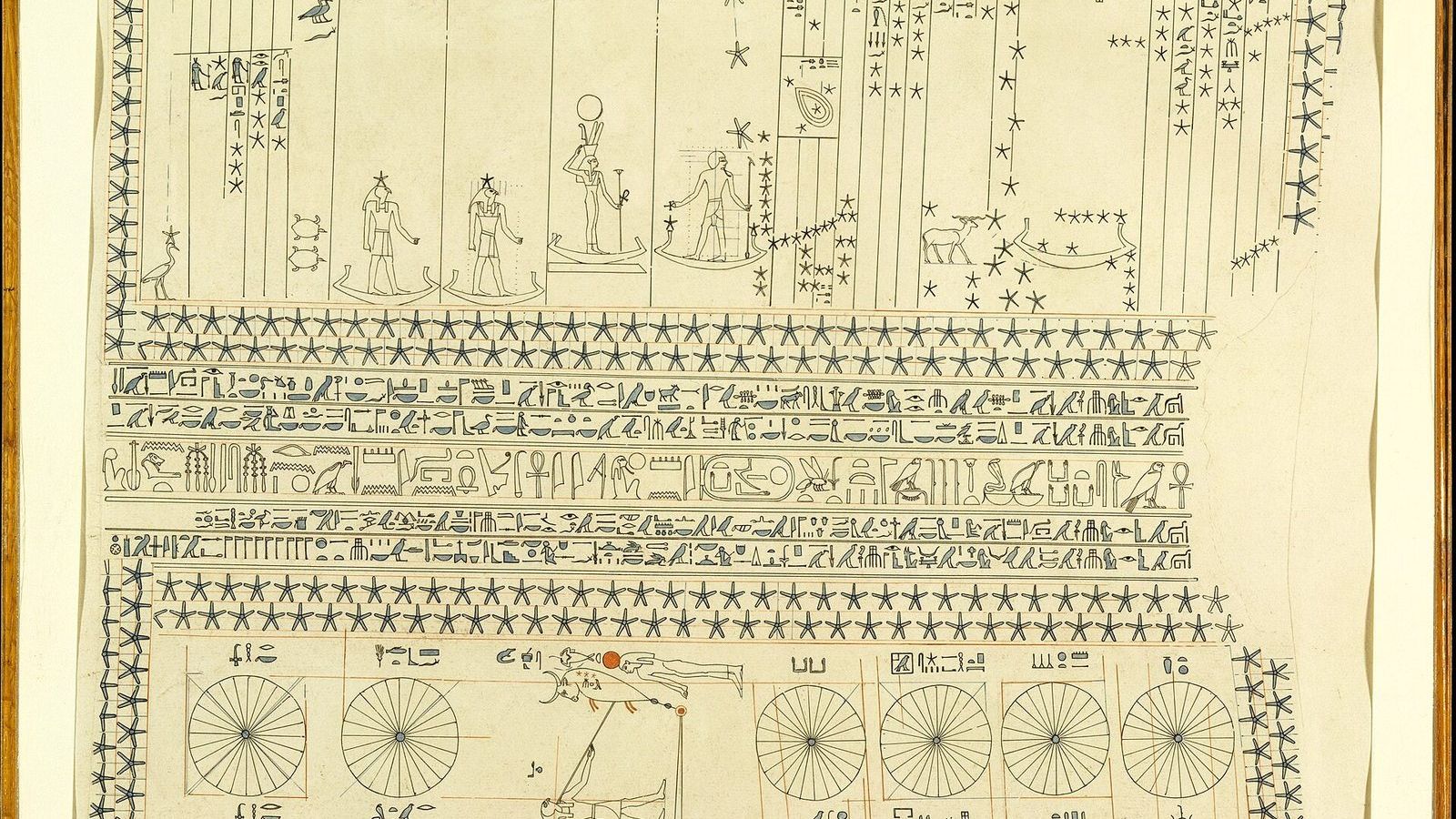
Why the Egyptians had no leap year
The Egyptian civil year had 365 days and no leap day, so it drifted through the seasons once every 1,460 years. The Egyptians knew and did nothing about it. The drift is now one of the tools Egyptologists use to date their history.
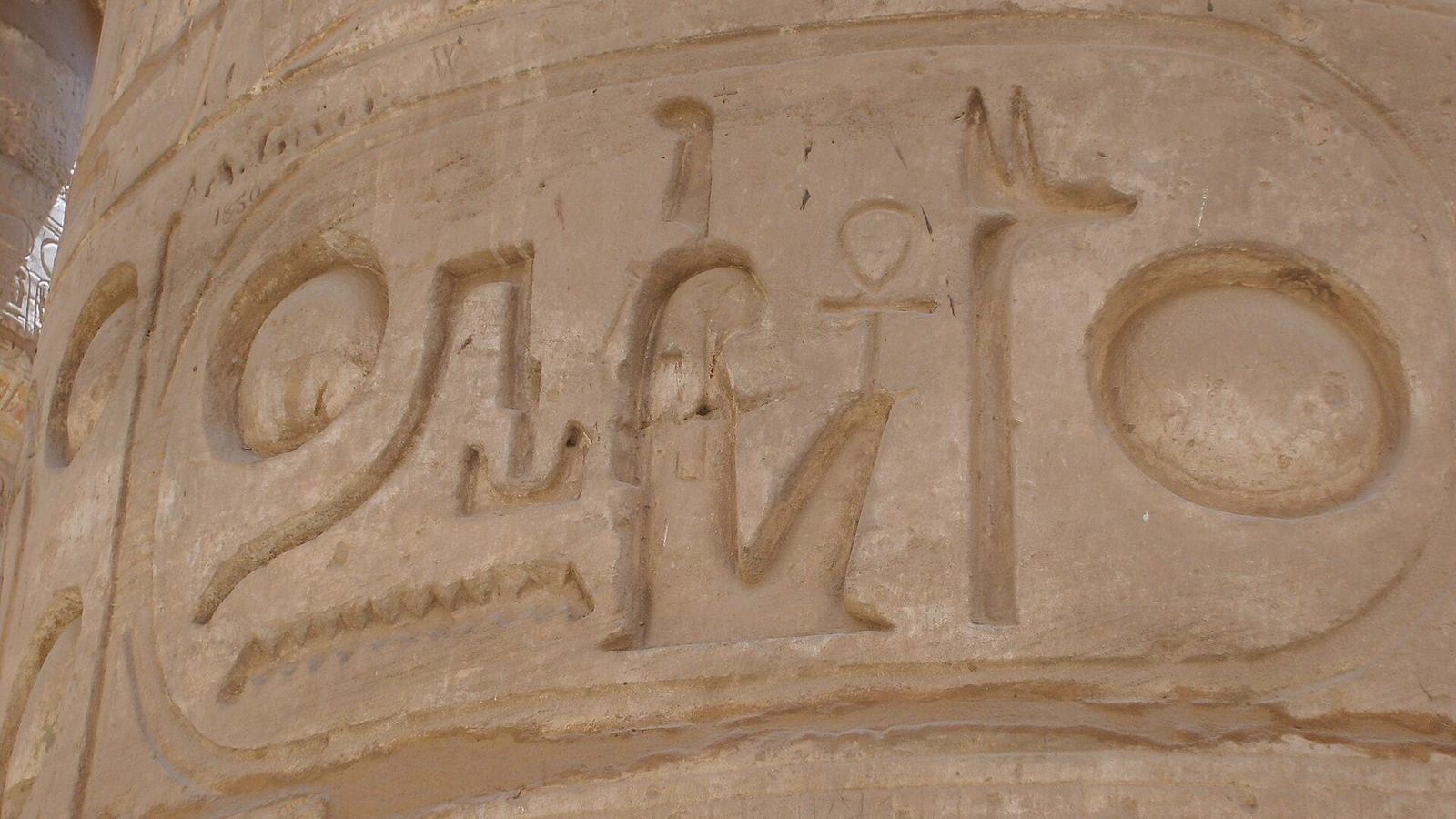
The five names of a pharaoh
An Egyptian king had five names, acquired in a fixed order over two thousand years of history. Each says something different about what a king was for. Here is what they are, how they grew, and how to find them on a temple wall.
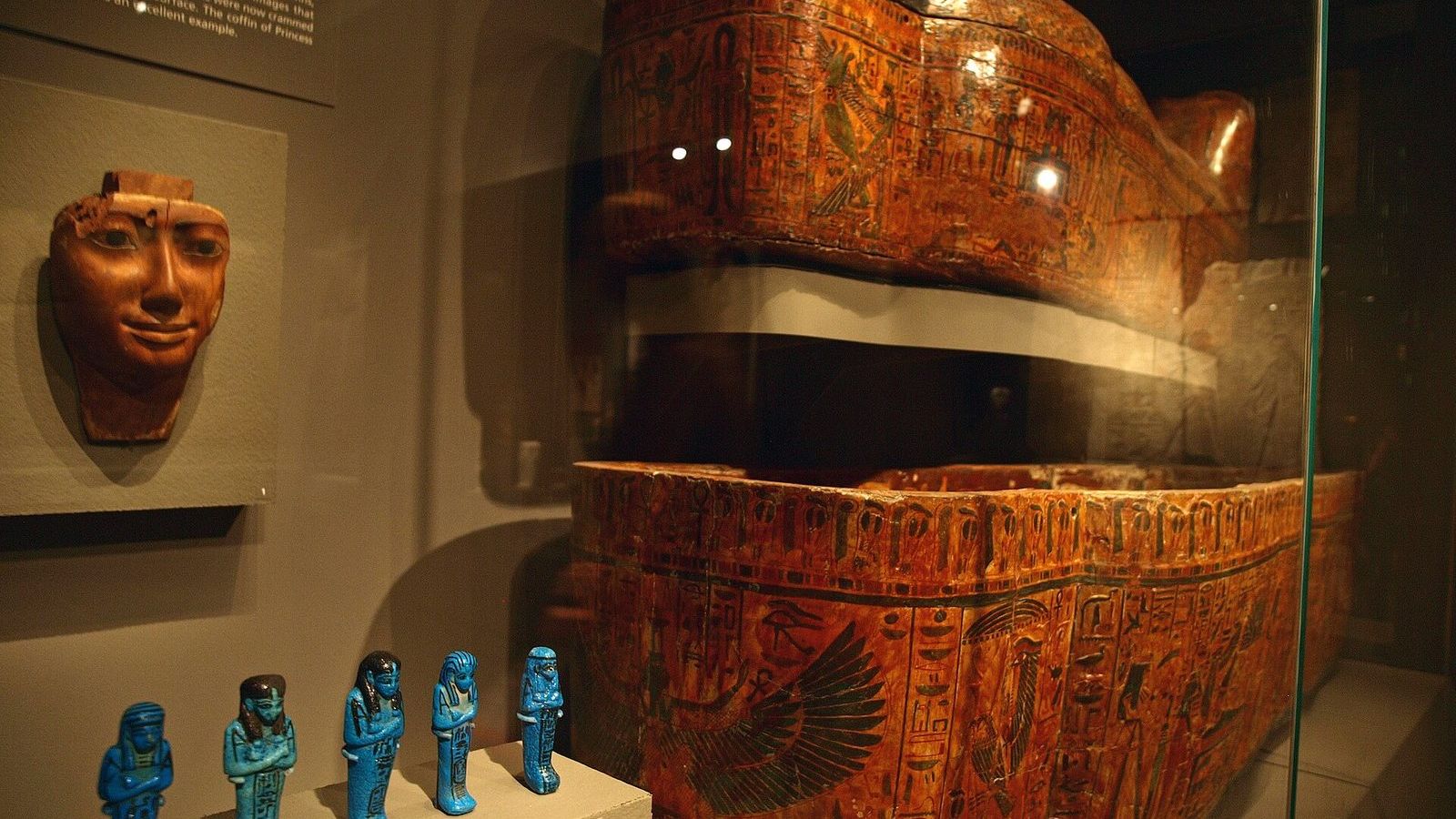
How a coffin was recycled
The painted coffins of the Twenty-first Dynasty are among the most beautiful objects in any Egyptian collection. A large share of them were made for someone else. Here is how Egyptologists can tell, and what it says about Egypt around 1000 BC.
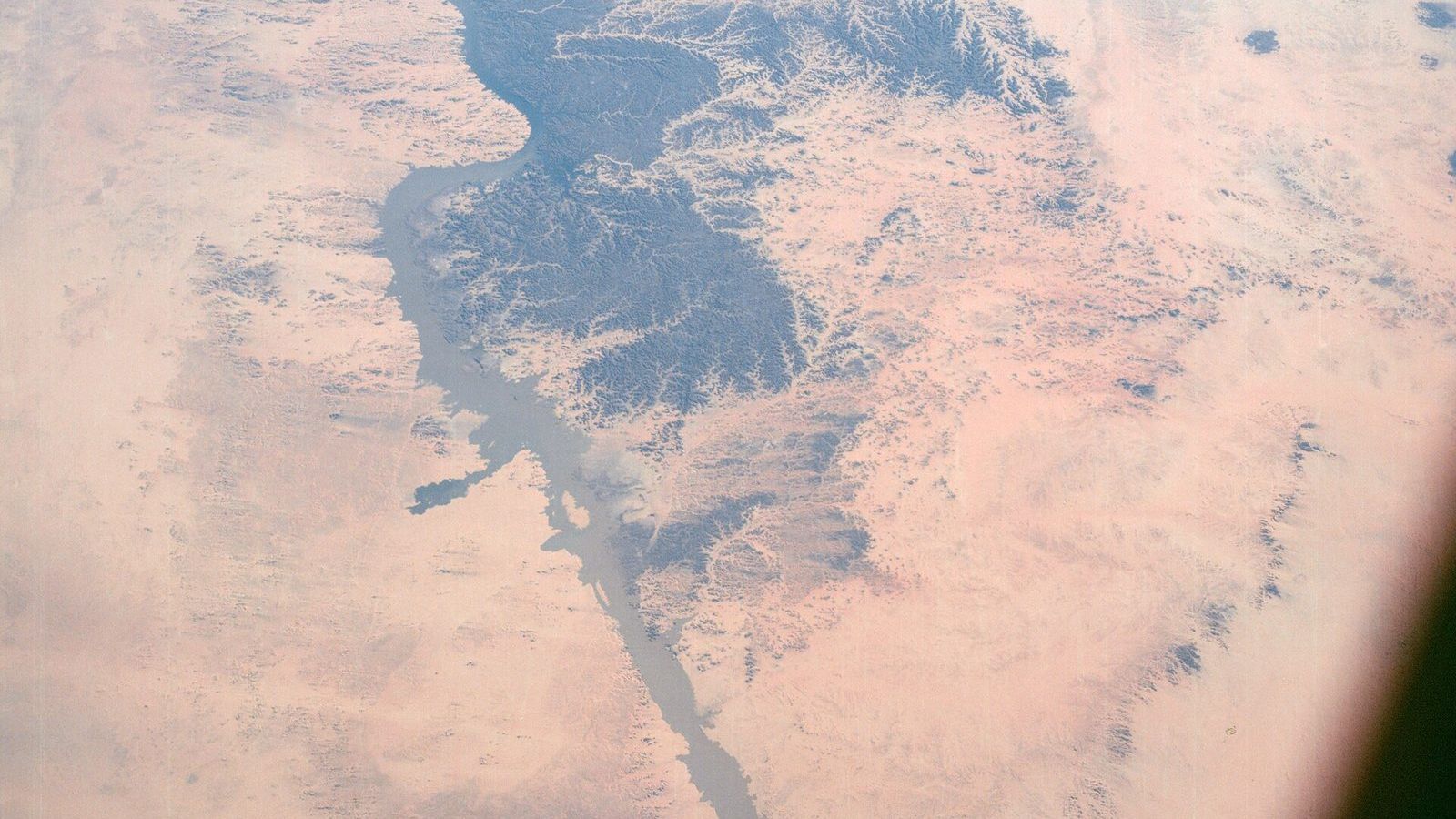
Volcanoes, the Nile, and revolts under the Ptolemies
Ice drilled from Greenland and Antarctica records the big volcanic eruptions of the last 2,500 years. In 2017 a historian and five climate scientists lined those eruptions up against the revolts of Ptolemaic Egypt and found that they matched.
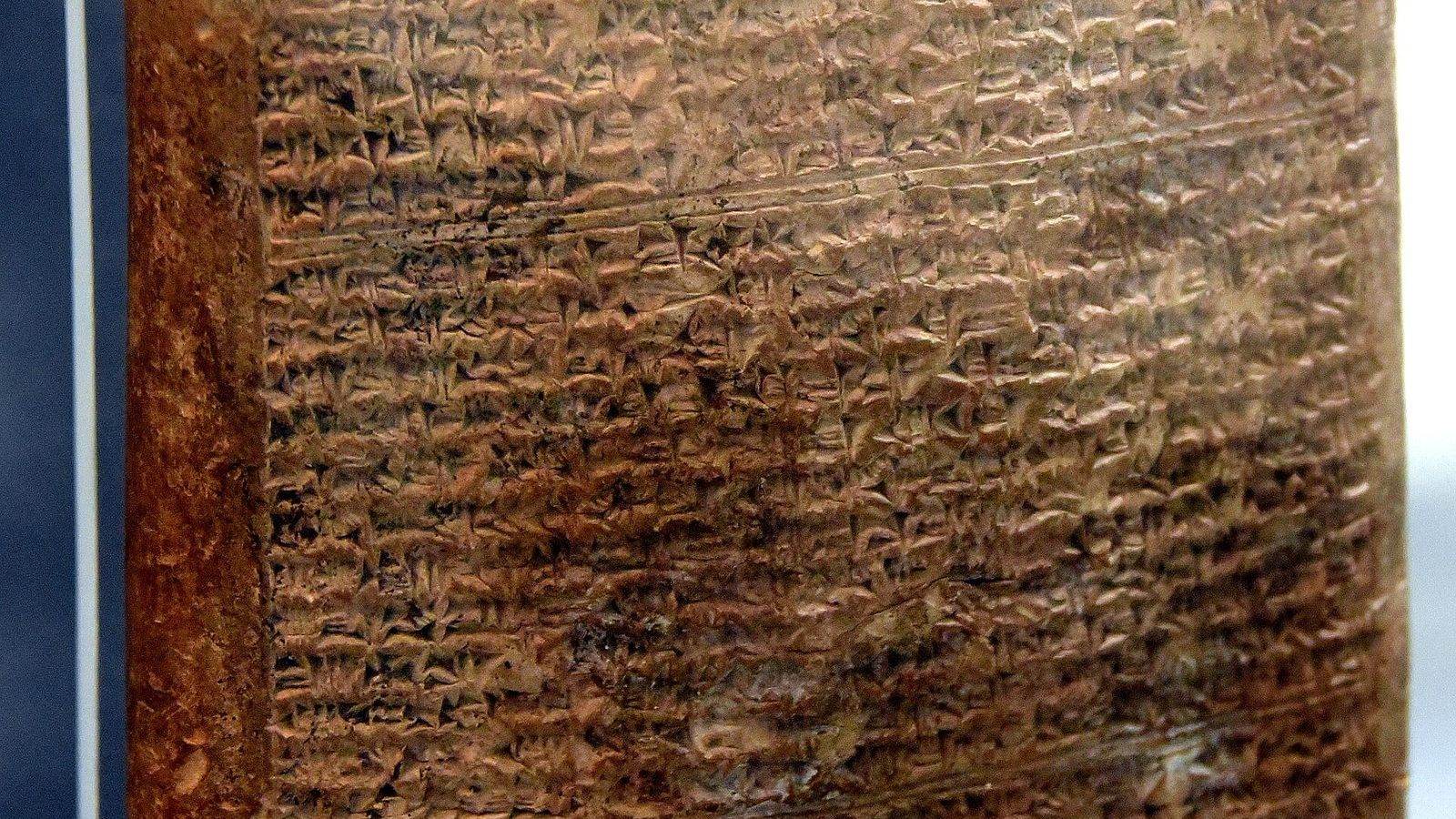
The Amarna letters, the oldest diplomatic archive
In 1887 a woman digging for fertilizer in the ruins of Akhenaten's city found clay tablets covered in cuneiform. They were the foreign correspondence of the kings of Egypt in the fourteenth century BC, and they show an international system with rules.
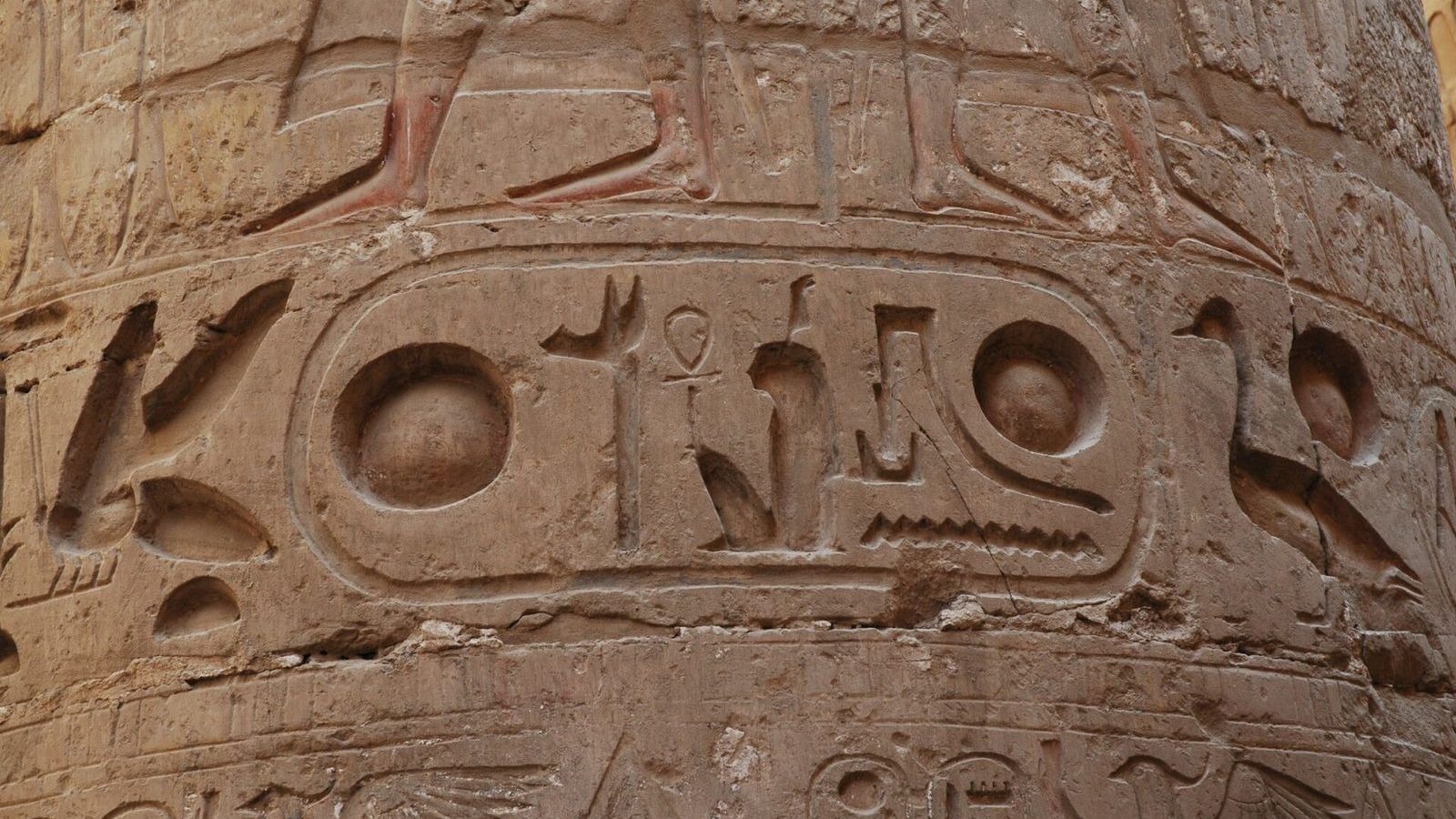
How to read a cartouche in a museum
Ten signs are enough to read the names of most of the famous kings of Egypt on the objects in any museum. Here they are, with the rules for putting them together and a worked example.
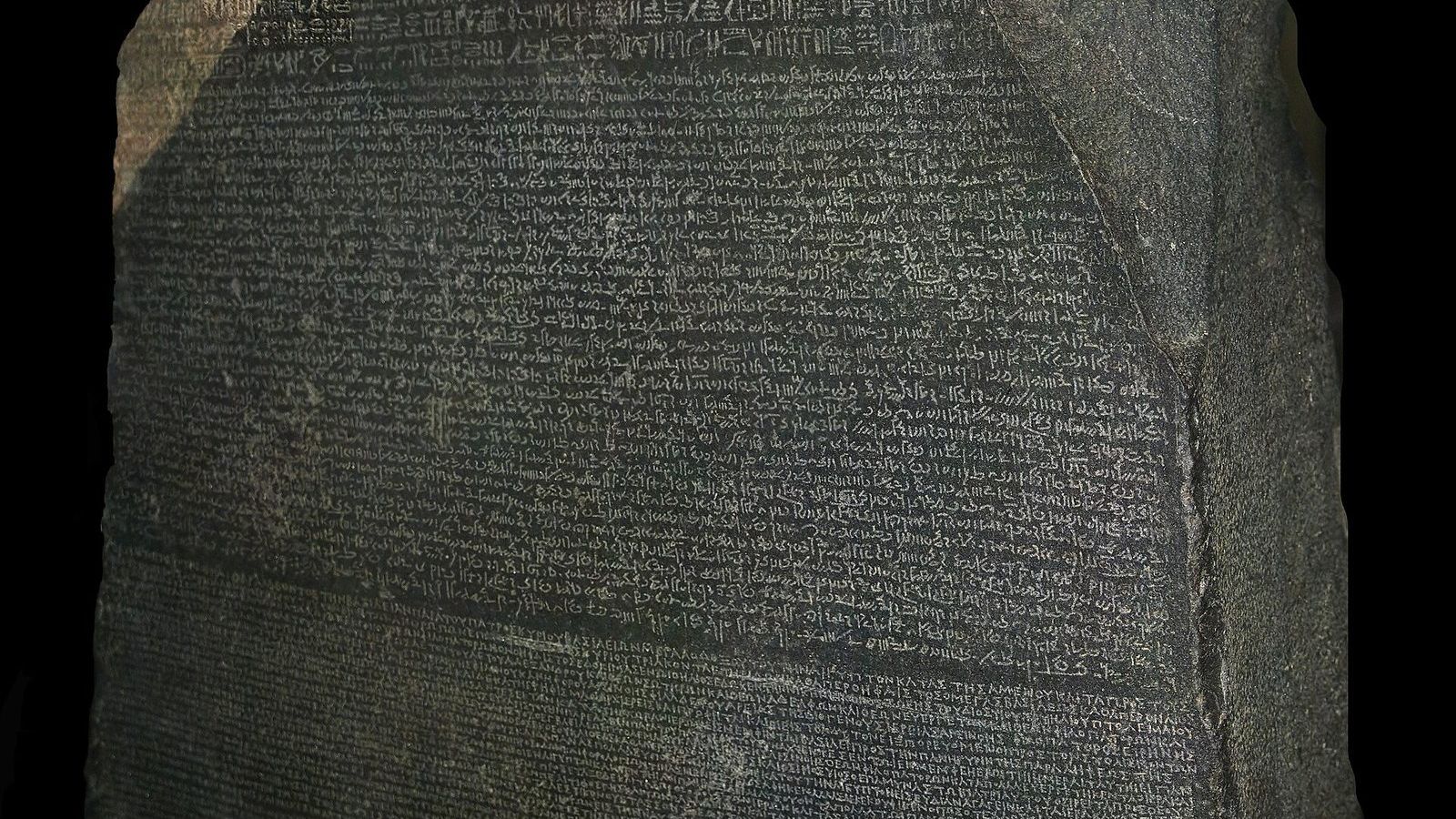
What the Rosetta Stone actually says
Everyone knows that the Rosetta Stone unlocked hieroglyphs. Few people know what is written on it: a tax deal between a boy king and the priests of Egypt, dated 27 March 196 BC, with the terms set out clause by clause.
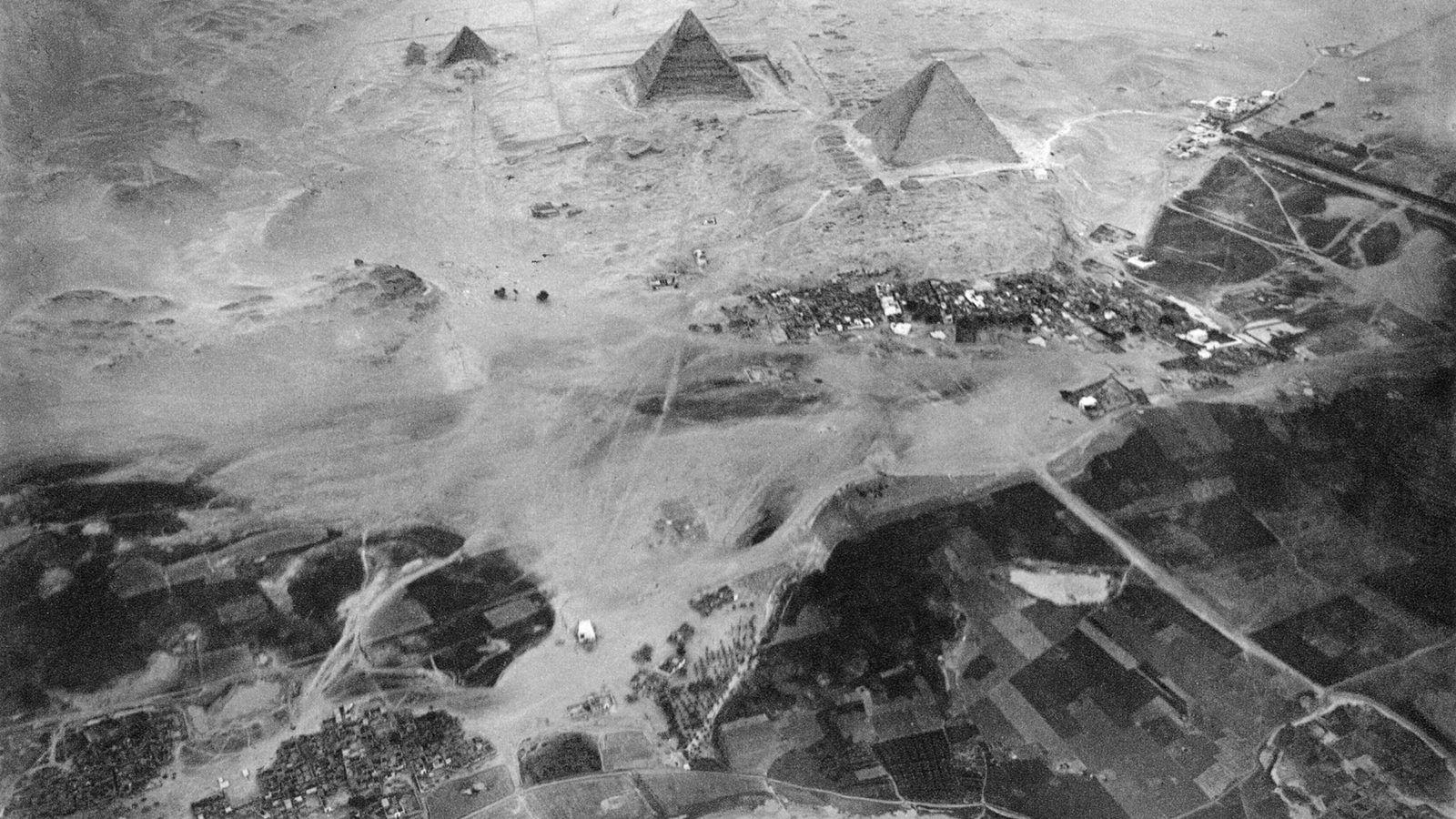
Why Cleopatra lived closer to us than to the pyramids
Cleopatra VII died in 30 BC. The Great Pyramid was finished about 2560 BC. The Moon landing was 1,999 years after her death and the pyramid was about 2,530 years before it. Egyptian history is long in a way that is hard to feel, and the Egyptians themselves felt it too.
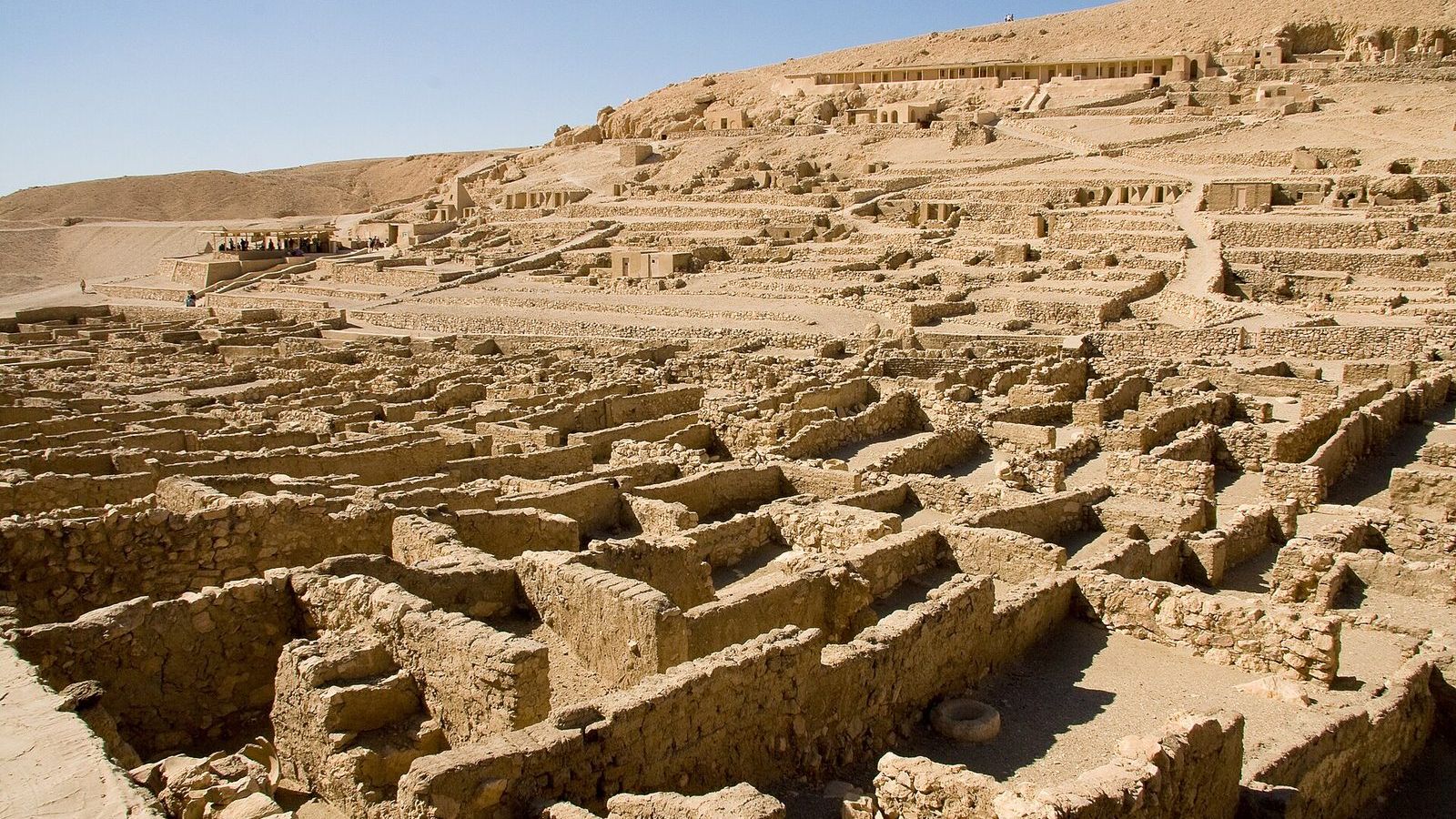
The tomb builders who put down their tools
In the twenty-ninth year of Ramesses III the men who cut the royal tombs stopped work because their grain had not arrived. A scribe wrote down what they said. It is the oldest strike in writing.
In the masterclass
Three Thousand Years of Egypt
The whole history in one connected narrative, and how its dates are known
The Middle Kingdom and Its Literature
Reunification, the Twelfth Dynasty state, the Nubian fortresses, and the classic texts
The New Kingdom Empire
From the expulsion of the Hyksos to Kadesh, the Sea Peoples, and the end of the Ramessides
Late Egypt, the Ptolemies, and Rome
The thousand years after the New Kingdom, from the Libyan kings to the last priests of Philae
The Egyptologist's Toolkit
The map, the calendar, the king lists, the evidence, and the alphabet of the field