
Death, tombs, and the afterlife
Mummification, coffins and their reuse, the Book of the Dead and the weighing of the heart, the Valley of the Kings, and the tomb of Tutankhamun by the numbers. The articles go with the units on death and the afterlife, on Amarna and Tutankhamun, and on the spells of the Book of the Dead.
Articles
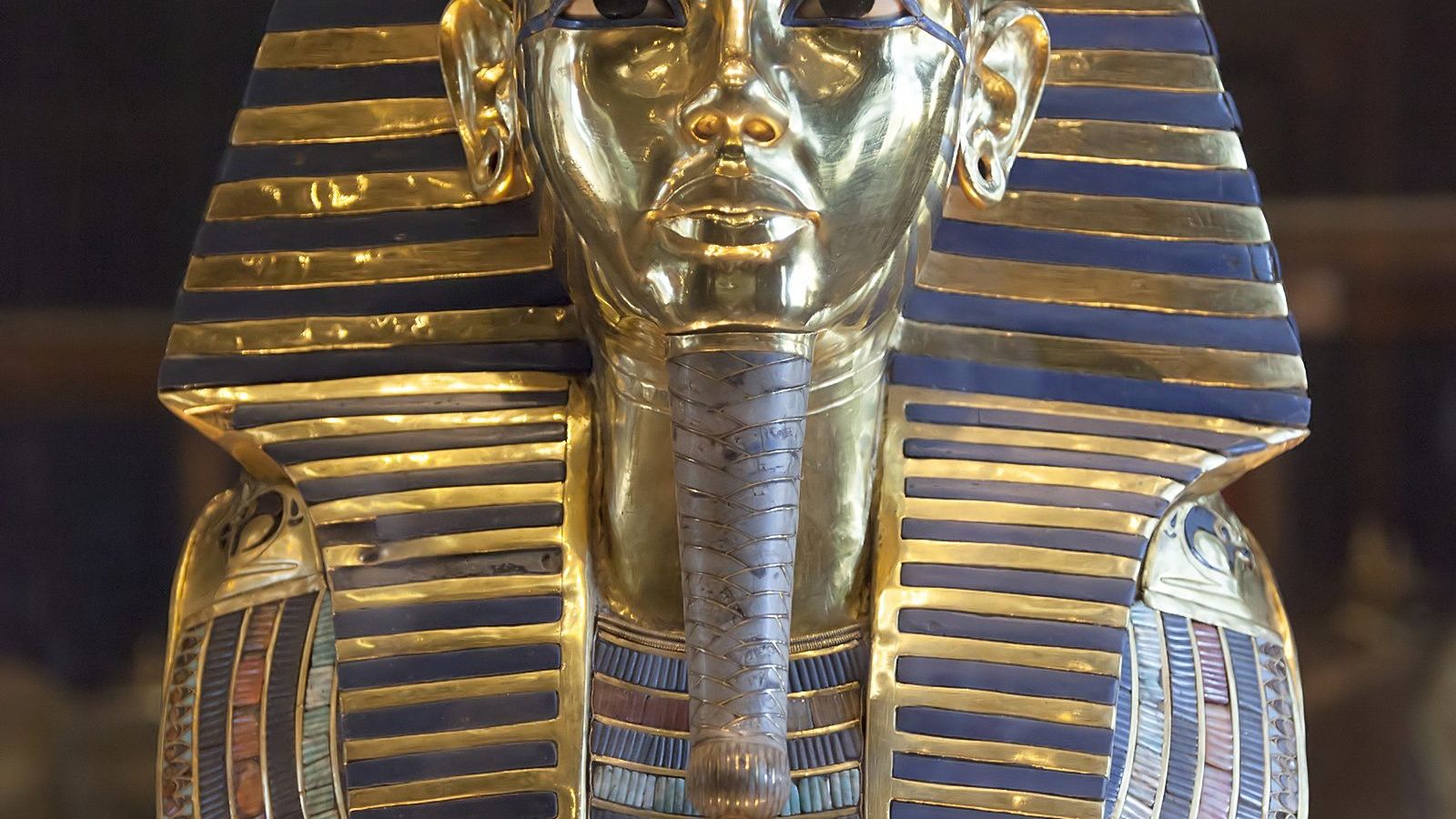
Tutankhamun's tomb by the numbers
Four rooms, about 5,400 objects, ten years of clearance, and a king who reigned for about nine years and died before he was twenty. The tomb that made Egyptology famous, counted.
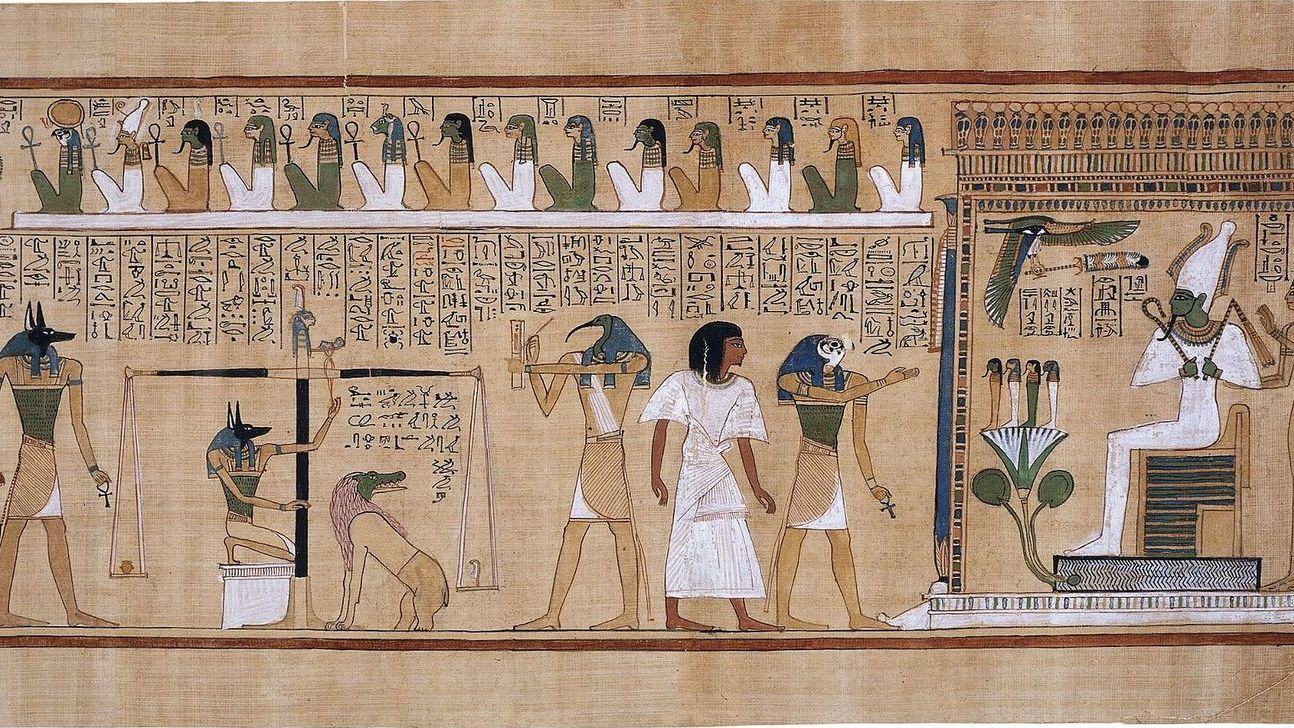
What the weighing of the heart really decided
The most famous scene in Egyptian art shows a dead man's heart on a balance against a feather. It is usually described as the judgement of the dead. The Egyptians who commissioned it saw it as something closer to a guarantee.
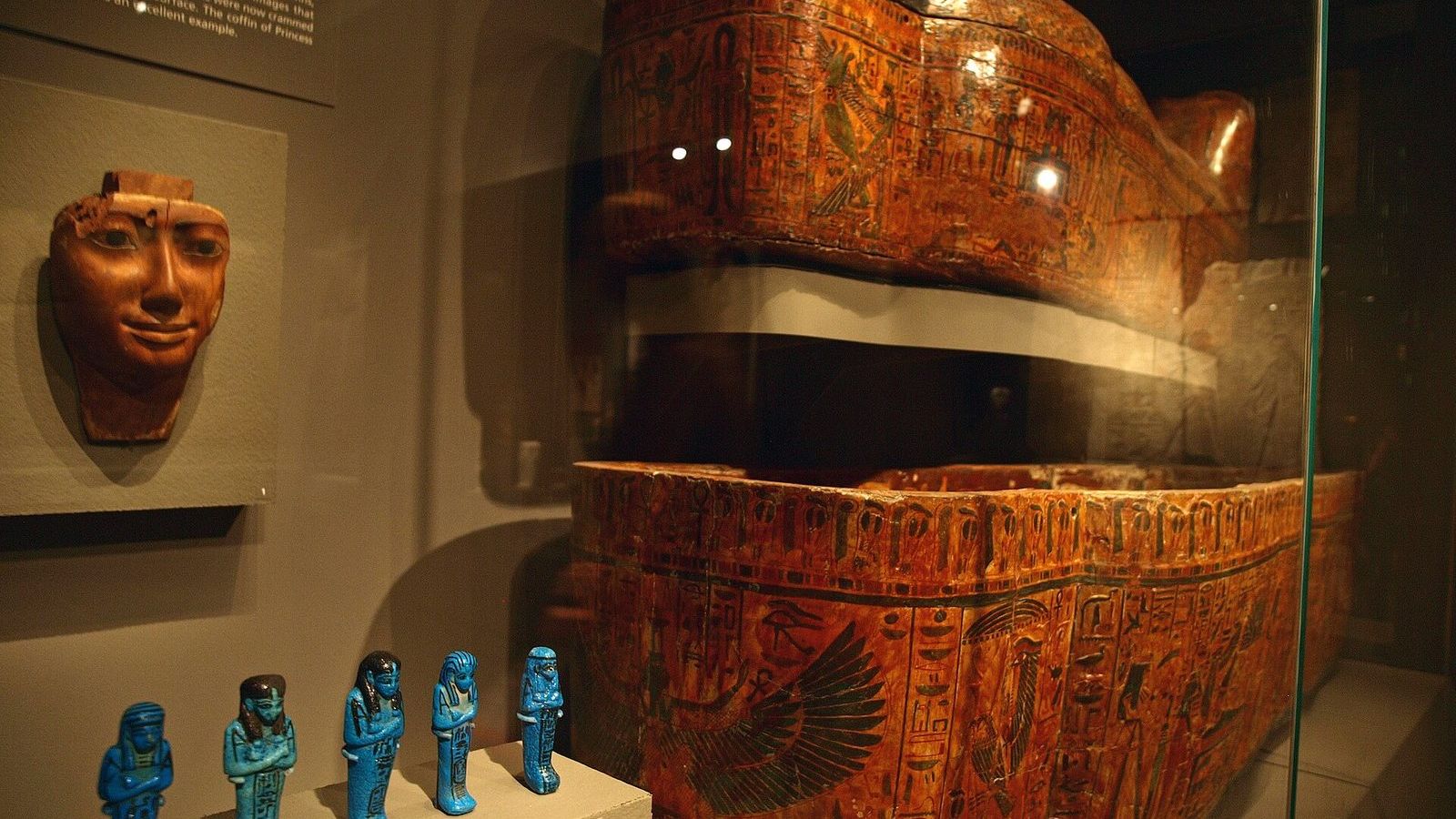
How a coffin was recycled
The painted coffins of the Twenty-first Dynasty are among the most beautiful objects in any Egyptian collection. A large share of them were made for someone else. Here is how Egyptologists can tell, and what it says about Egypt around 1000 BC.
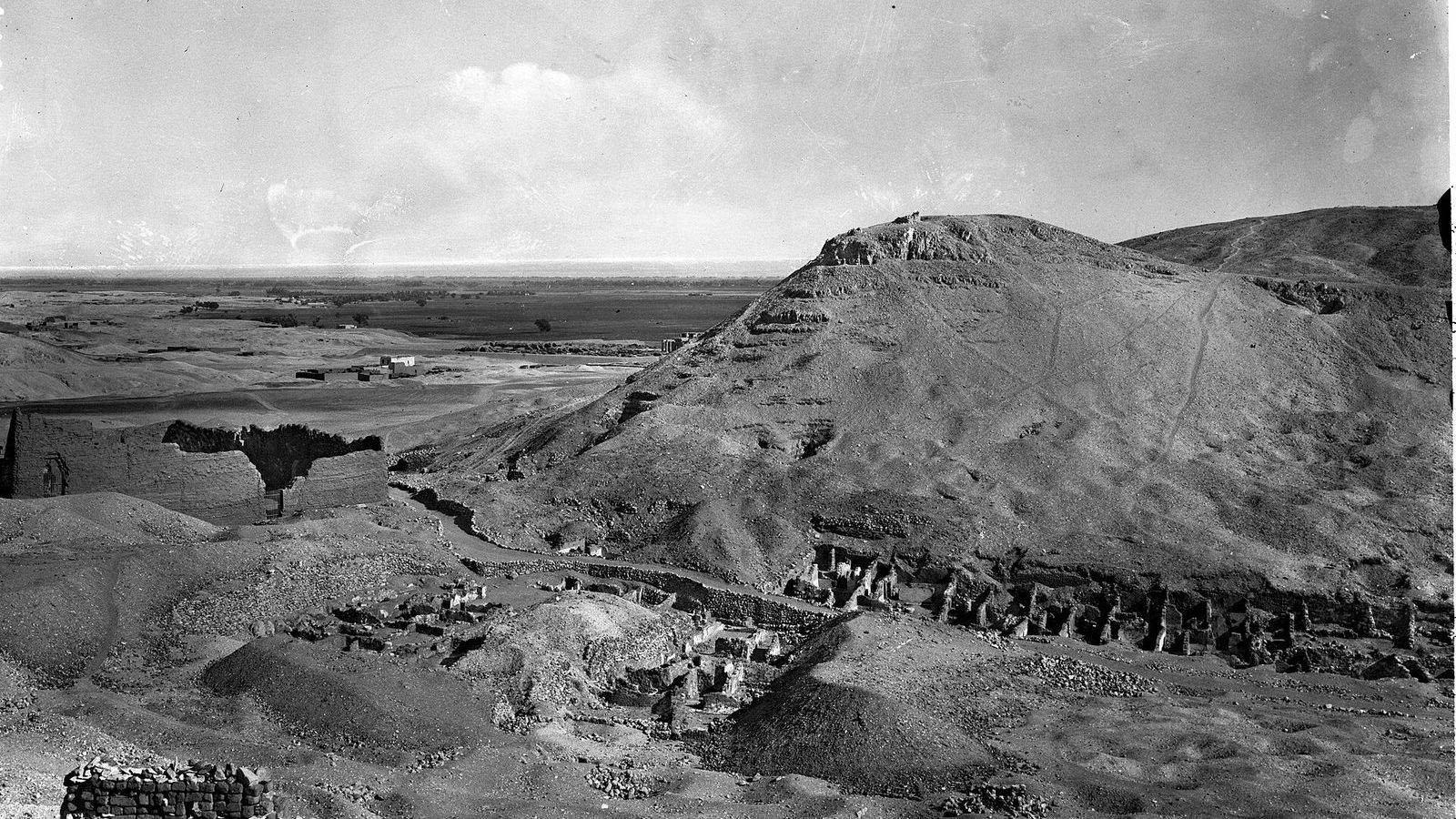
The woman with thirty tattoos
In 2014 a bioarchaeologist working at Deir el-Medina turned an infrared camera on the torso of a mummified woman and found more than thirty tattoos: eyes, cows, baboons, lotus flowers, and snakes. Nothing like it had been seen on an Egyptian body.
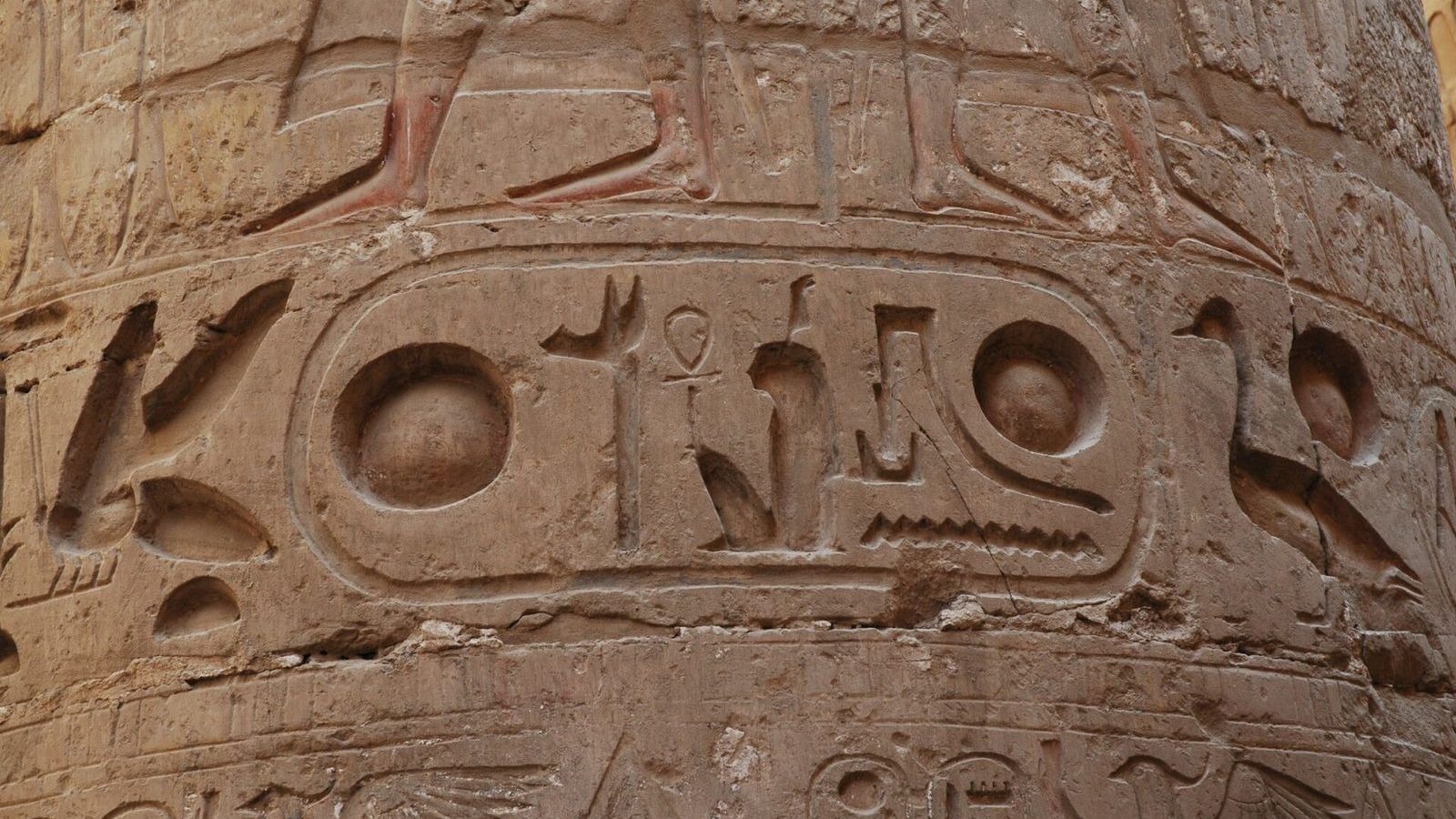
How to read a cartouche in a museum
Ten signs are enough to read the names of most of the famous kings of Egypt on the objects in any museum. Here they are, with the rules for putting them together and a worked example.
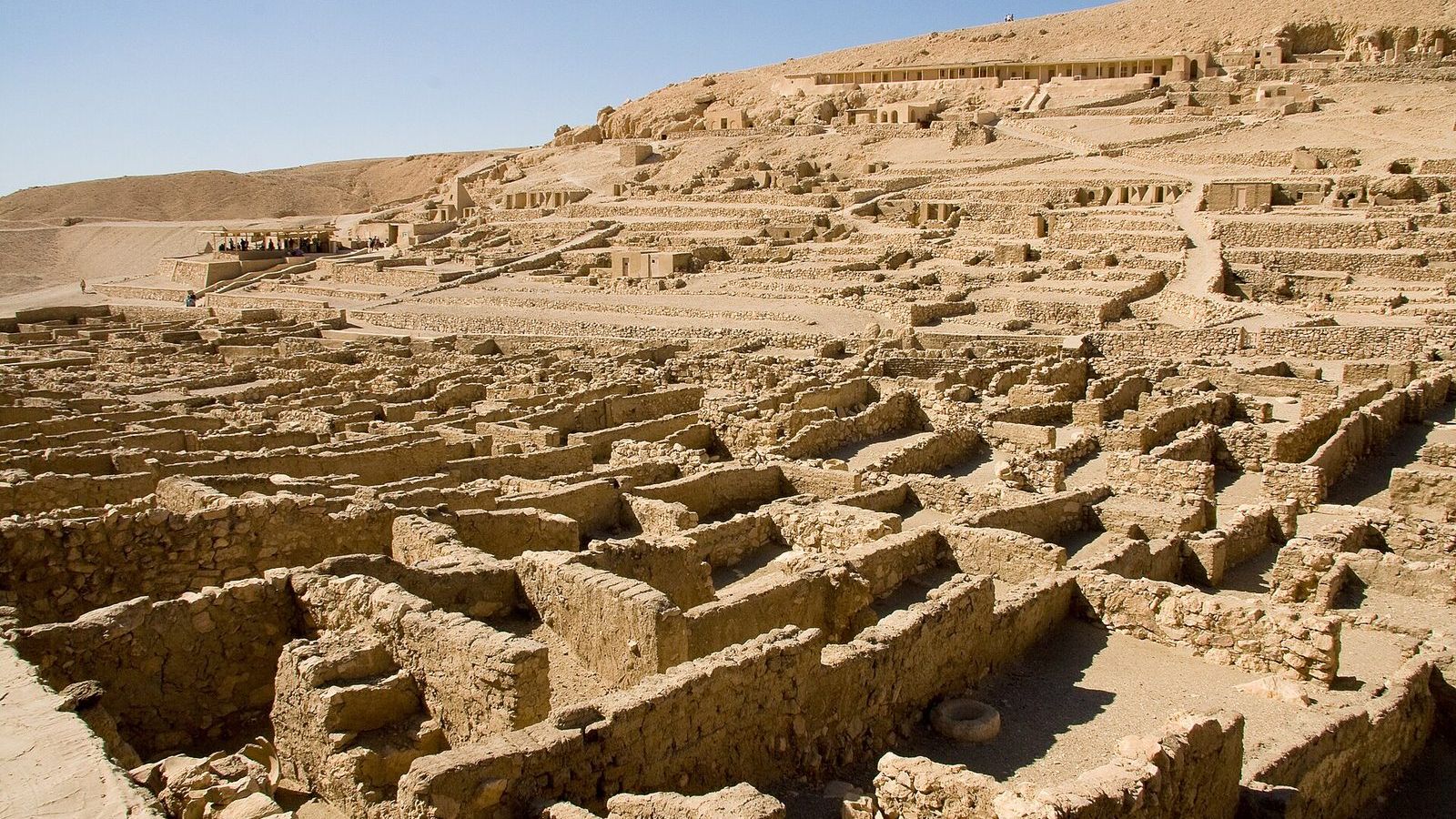
The tomb builders who put down their tools
In the twenty-ninth year of Ramesses III the men who cut the royal tombs stopped work because their grain had not arrived. A scribe wrote down what they said. It is the oldest strike in writing.
In the masterclass
Death and the Afterlife
The person, the mummy, the tomb, the funerary texts, and the judgement before Osiris
Amarna and Tutankhamun
Akhenaten's city and religion, the Amarna letters, and the tomb of Tutankhamun
Spells of the Book of the Dead
Reading funerary spells in the original and understanding how they worked