
Hieroglyphs and their decipherment
How the script works, how Champollion read it in 1822 with the Rosetta Stone and his Coptic, how to read a cartouche in a museum, and what the last inscriptions of AD 394 tell us about the end of a writing system. The articles go with the unit on hieroglyphs and the units that read Middle Egyptian in the original.
Articles
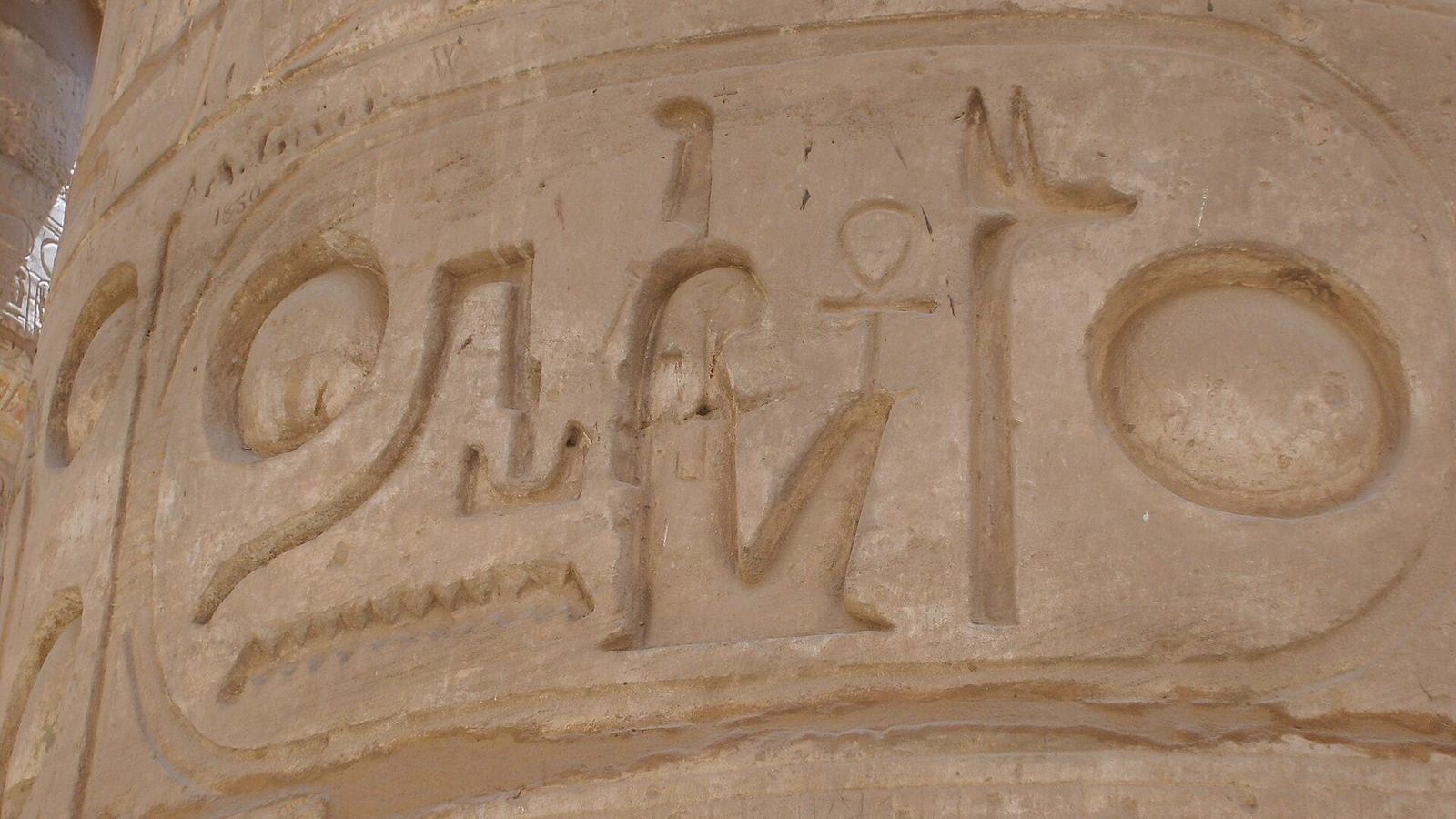
The five names of a pharaoh
An Egyptian king had five names, acquired in a fixed order over two thousand years of history. Each says something different about what a king was for. Here is what they are, how they grew, and how to find them on a temple wall.
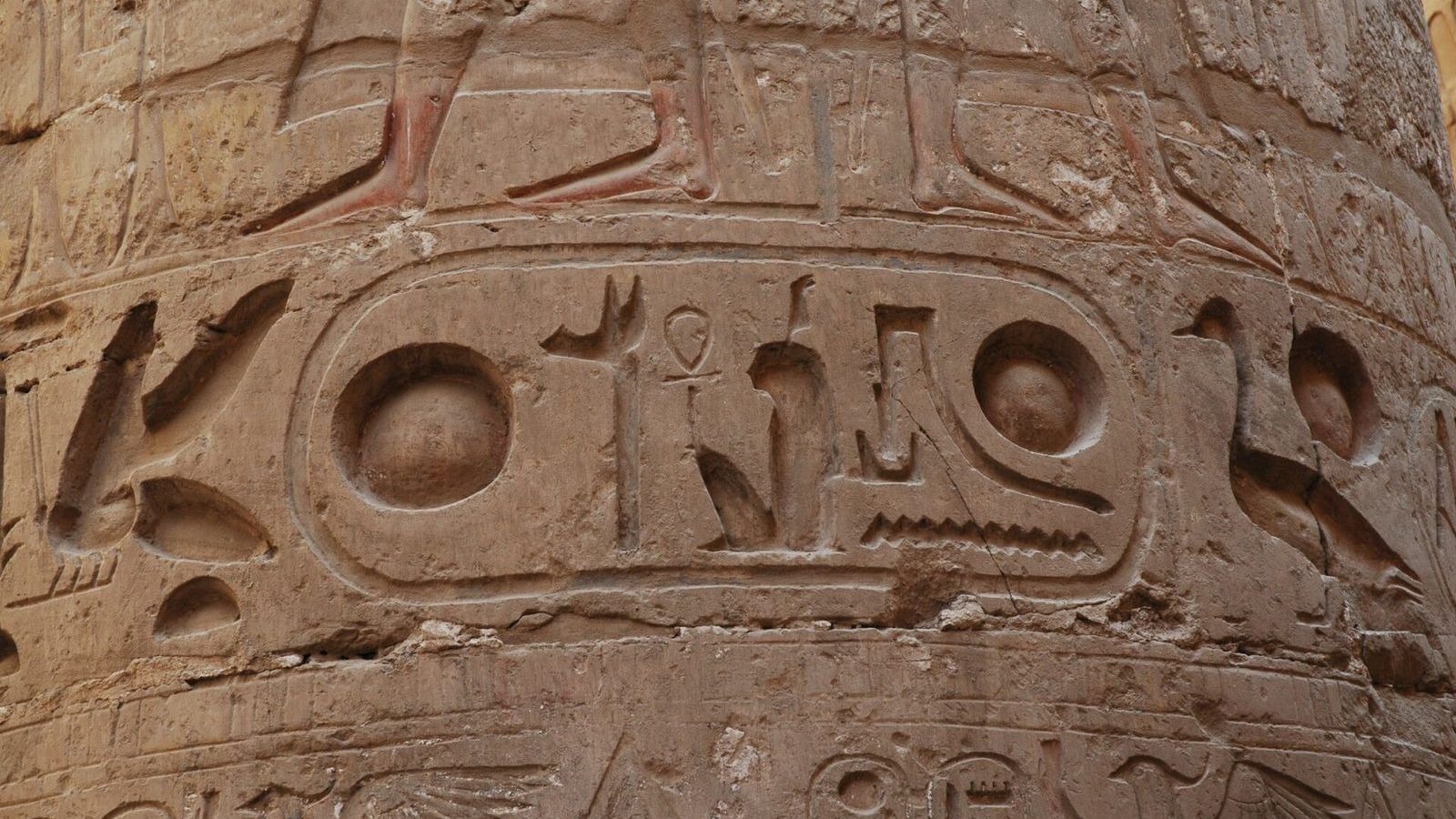
How to read a cartouche in a museum
Ten signs are enough to read the names of most of the famous kings of Egypt on the objects in any museum. Here they are, with the rules for putting them together and a worked example.
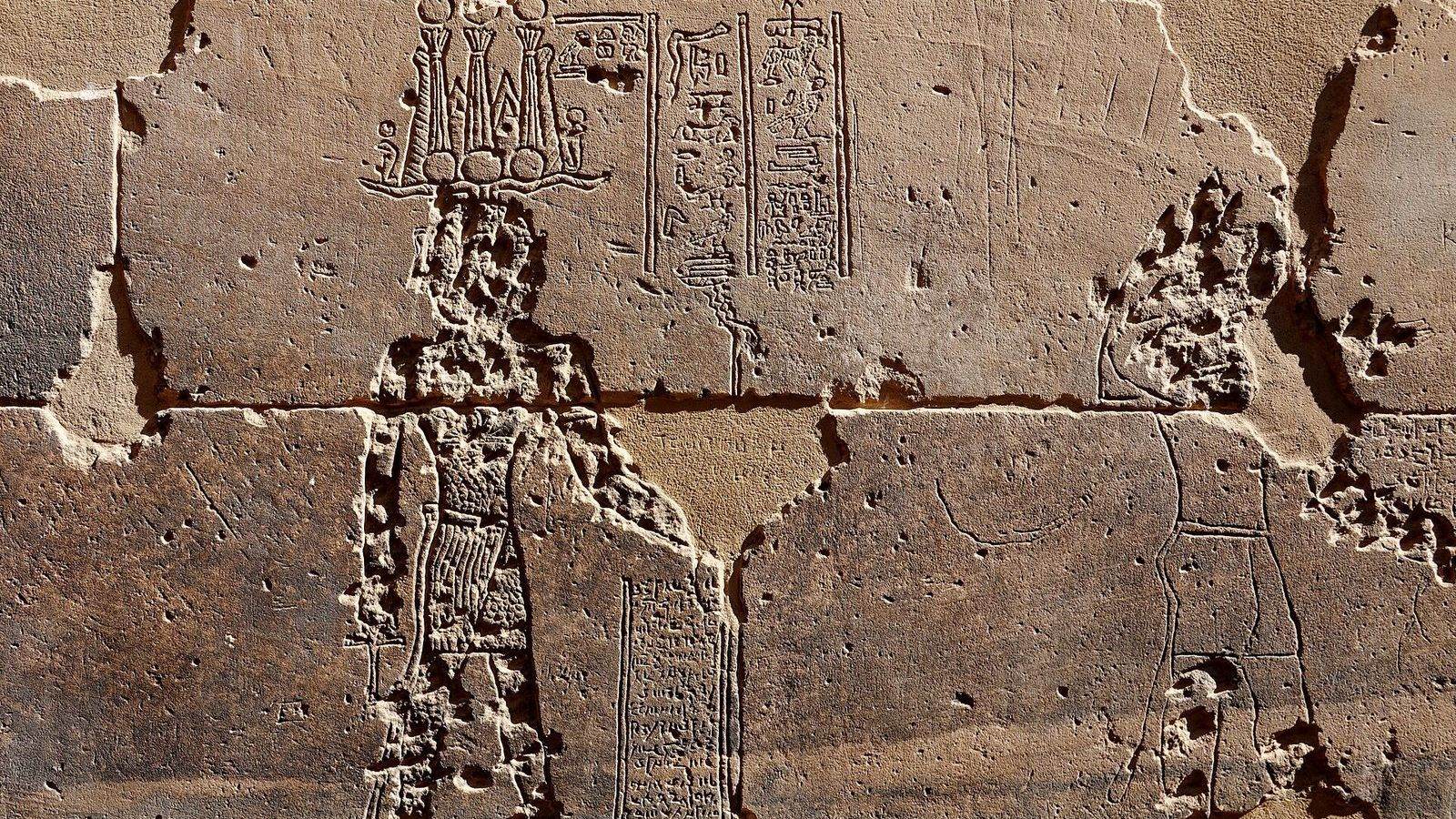
The last person who could read hieroglyphs
On 24 August AD 394 a priest at Philae carved a short inscription beside a figure of a Nubian god. It is the last dated hieroglyphic text in the world. Fourteen centuries passed before anyone could read it again.
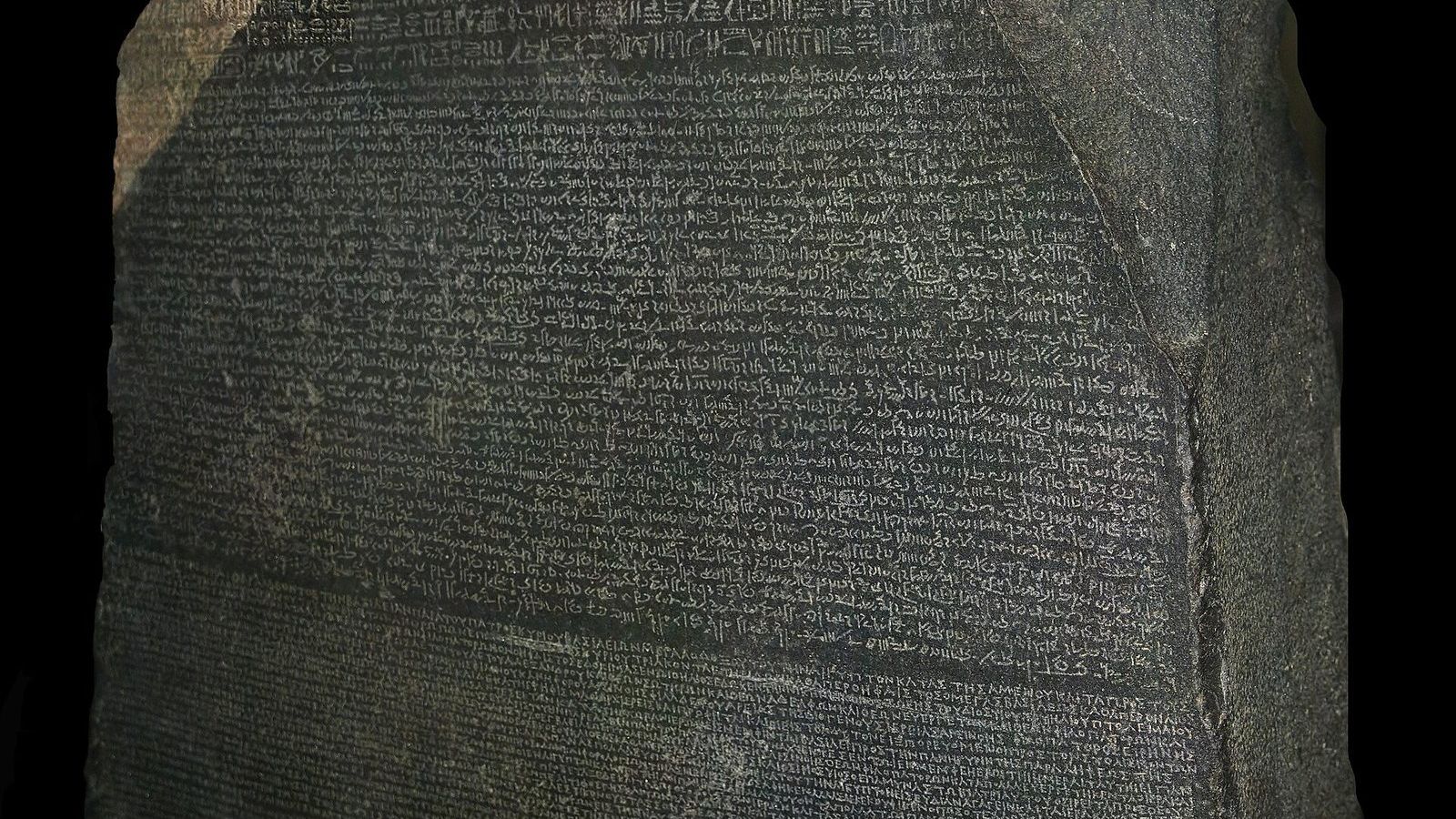
What the Rosetta Stone actually says
Everyone knows that the Rosetta Stone unlocked hieroglyphs. Few people know what is written on it: a tax deal between a boy king and the priests of Egypt, dated 27 March 196 BC, with the terms set out clause by clause.
How Champollion read a royal name
The decipherment of hieroglyphs is usually told as a flash of genius. It was a sequence of small readings, each of which can be followed by a beginner with a pencil: Ptolemy, Cleopatra, and then, on the morning of 14 September 1822, Ramesses.
In the masterclass
Hieroglyphs and Their Decipherment
How the script works, how a line is read, and how Champollion broke it in 1822
Middle Egyptian Grammar
Enough Middle Egyptian to read simple sentences and the offering formula on a stela
Royal and Temple Inscriptions
The texts a visitor meets on walls, from the royal titulary to a complete offering scene