
Egyptology Masterclass Blog
Explanations, background, and advice for curious students.
Latest articles
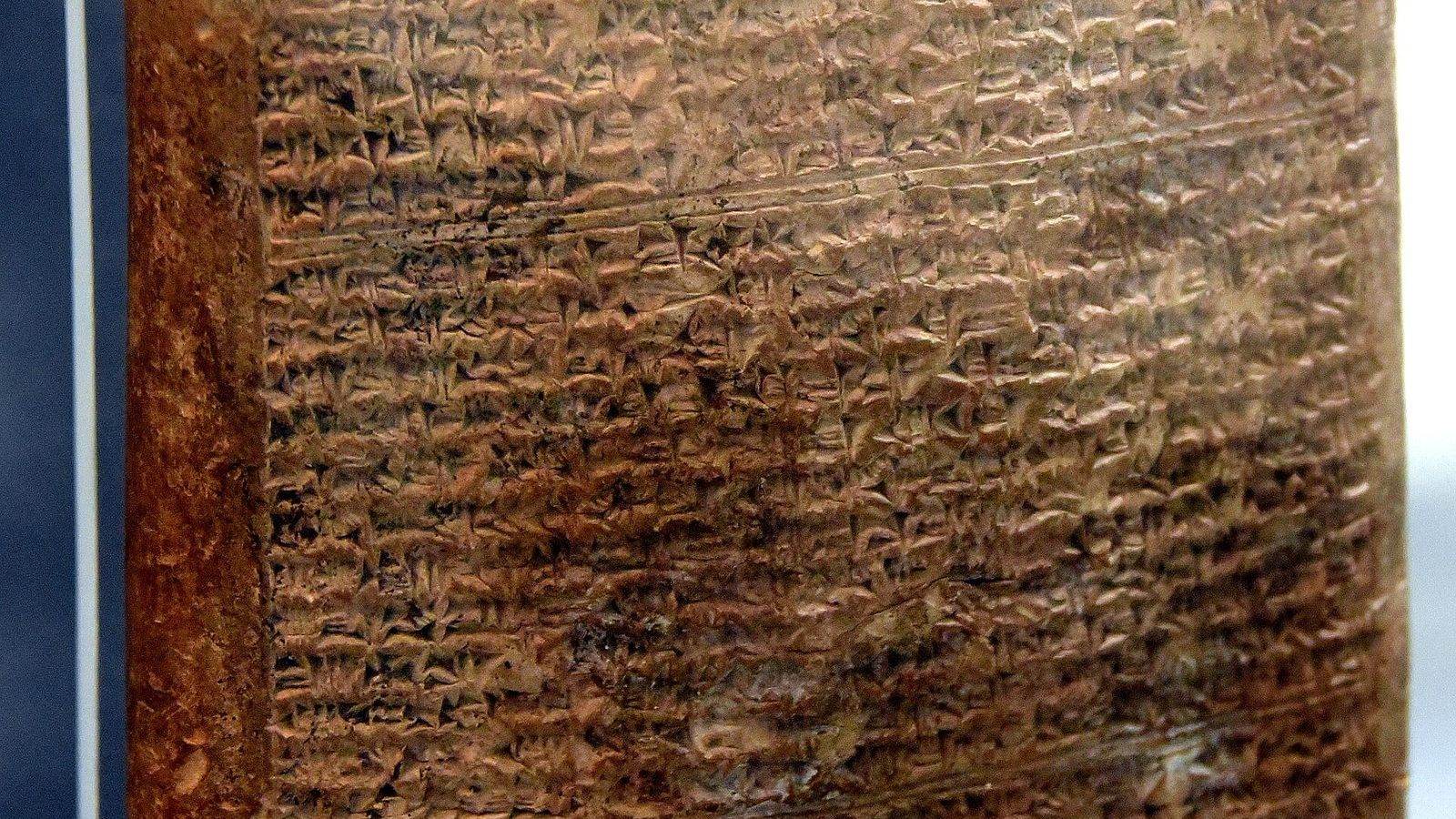
The Amarna letters, the oldest diplomatic archive
In 1887 a woman digging for fertilizer in the ruins of Akhenaten's city found clay tablets covered in cuneiform. They were the foreign correspondence of the kings of Egypt in the fourteenth century BC, and they show an international system with rules.
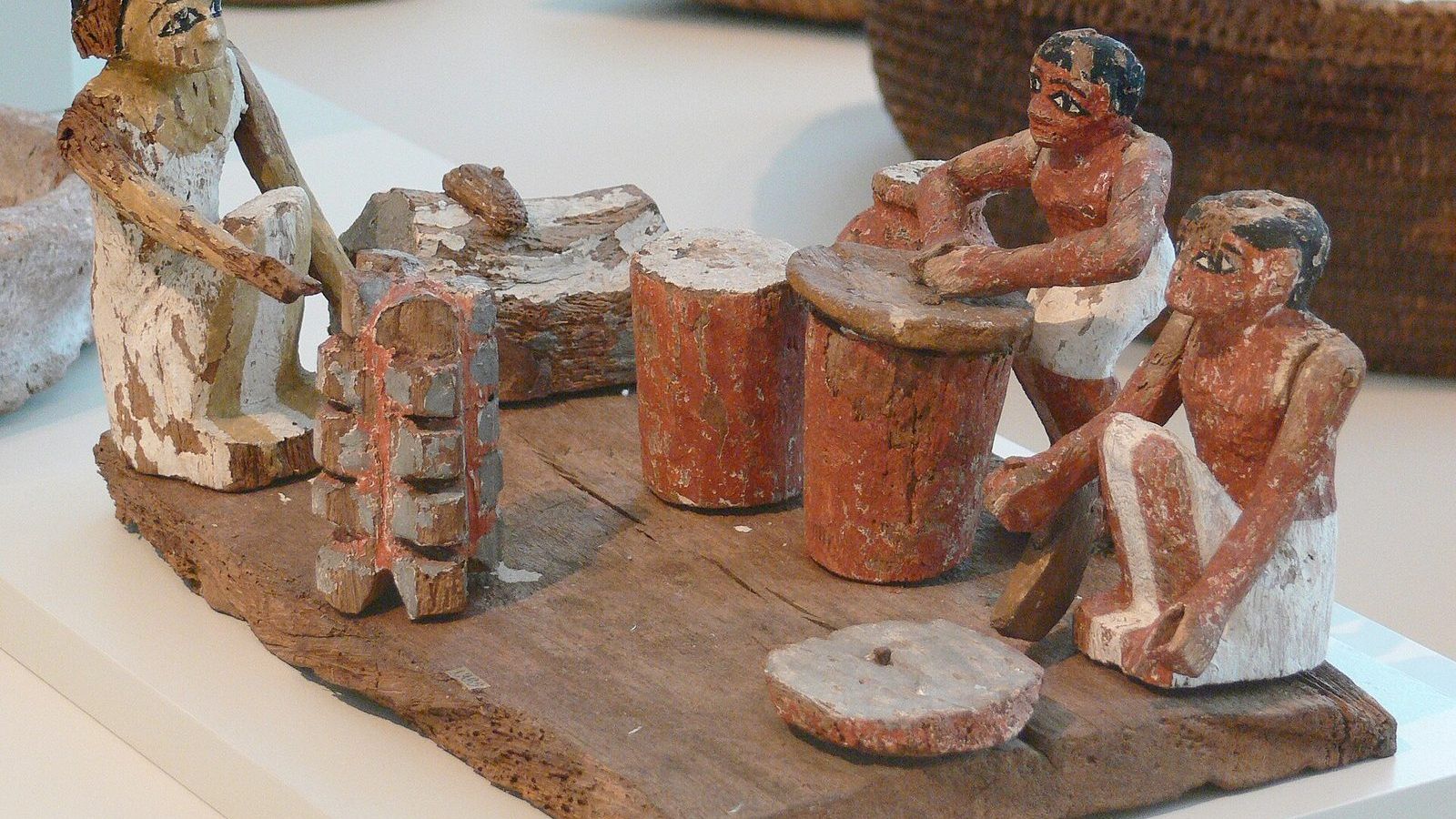
What the Egyptians ate, in numbers
Bread and beer were the Egyptian diet and the Egyptian wage. The ration lists of Deir el-Medina say exactly how much grain a workman received each month. Here is what that grain became and how many people it could feed.
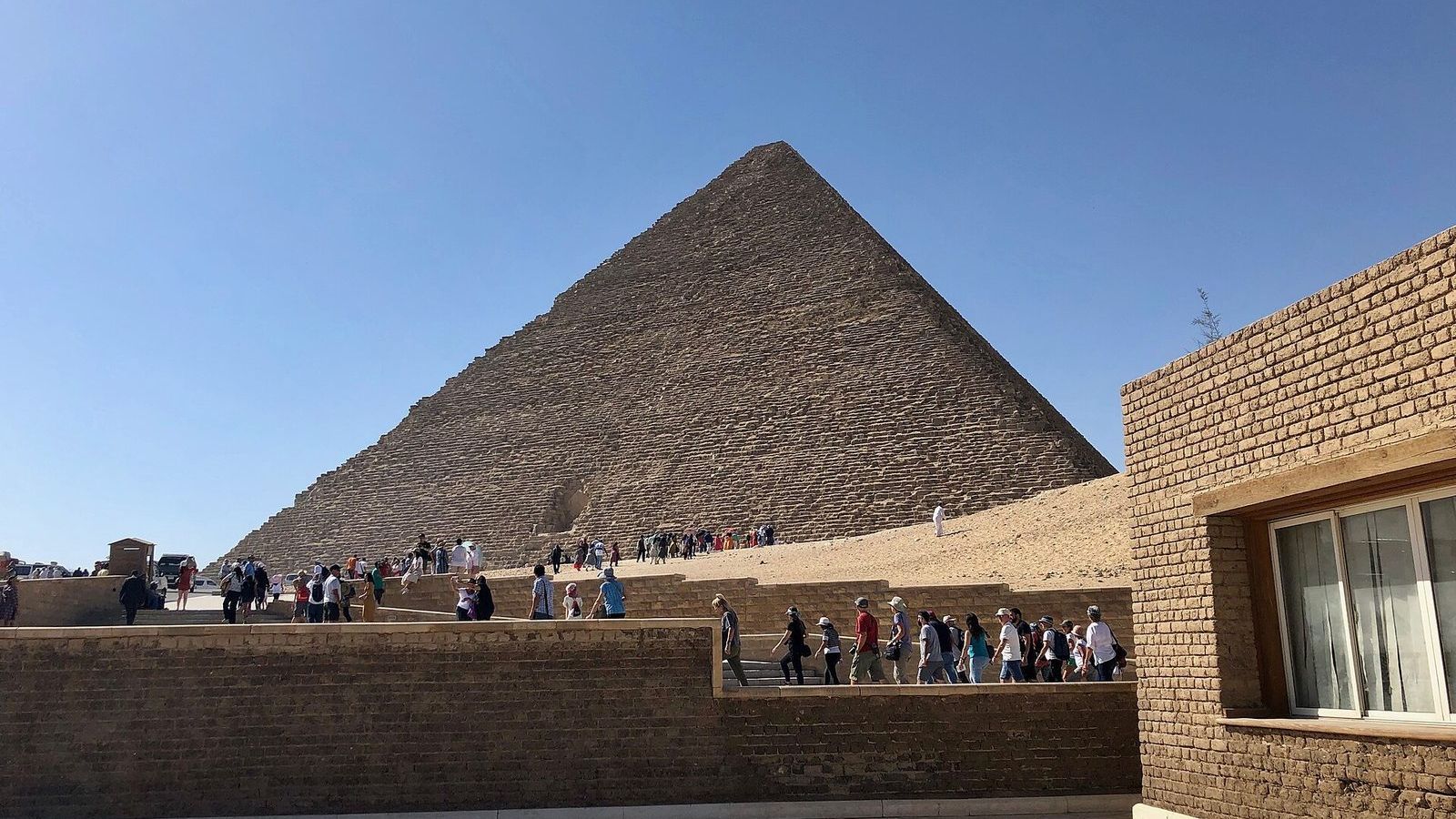
Did Khufu's builders use the stars?
The sides of the Great Pyramid point to true north with an error of a few arcminutes, better than most buildings today. The Egyptians left no account of how they did it. In 2000 an Egyptologist proposed that two stars did the job, and that the error even dates the pyramid.
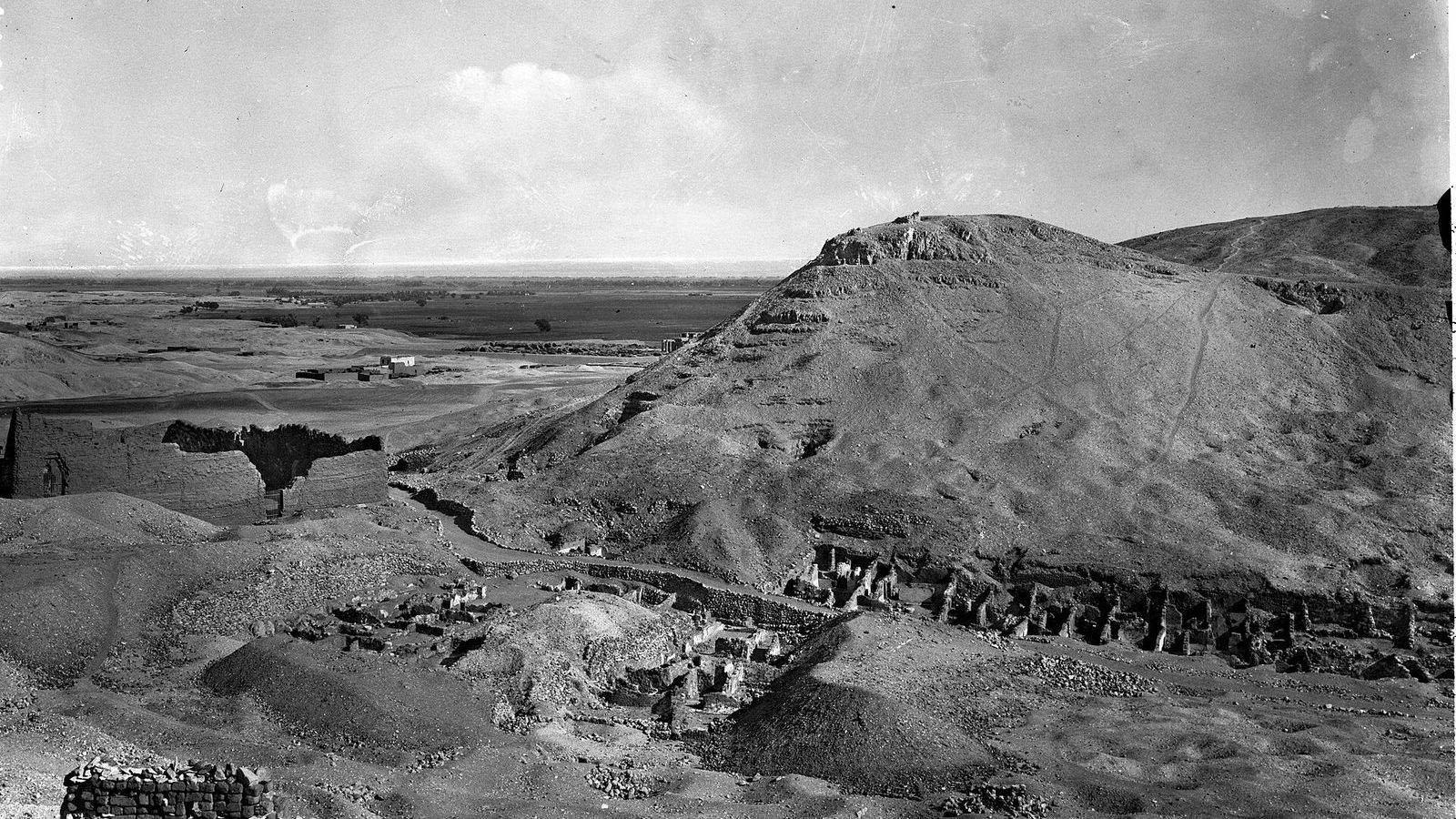
The woman with thirty tattoos
In 2014 a bioarchaeologist working at Deir el-Medina turned an infrared camera on the torso of a mummified woman and found more than thirty tattoos: eyes, cows, baboons, lotus flowers, and snakes. Nothing like it had been seen on an Egyptian body.
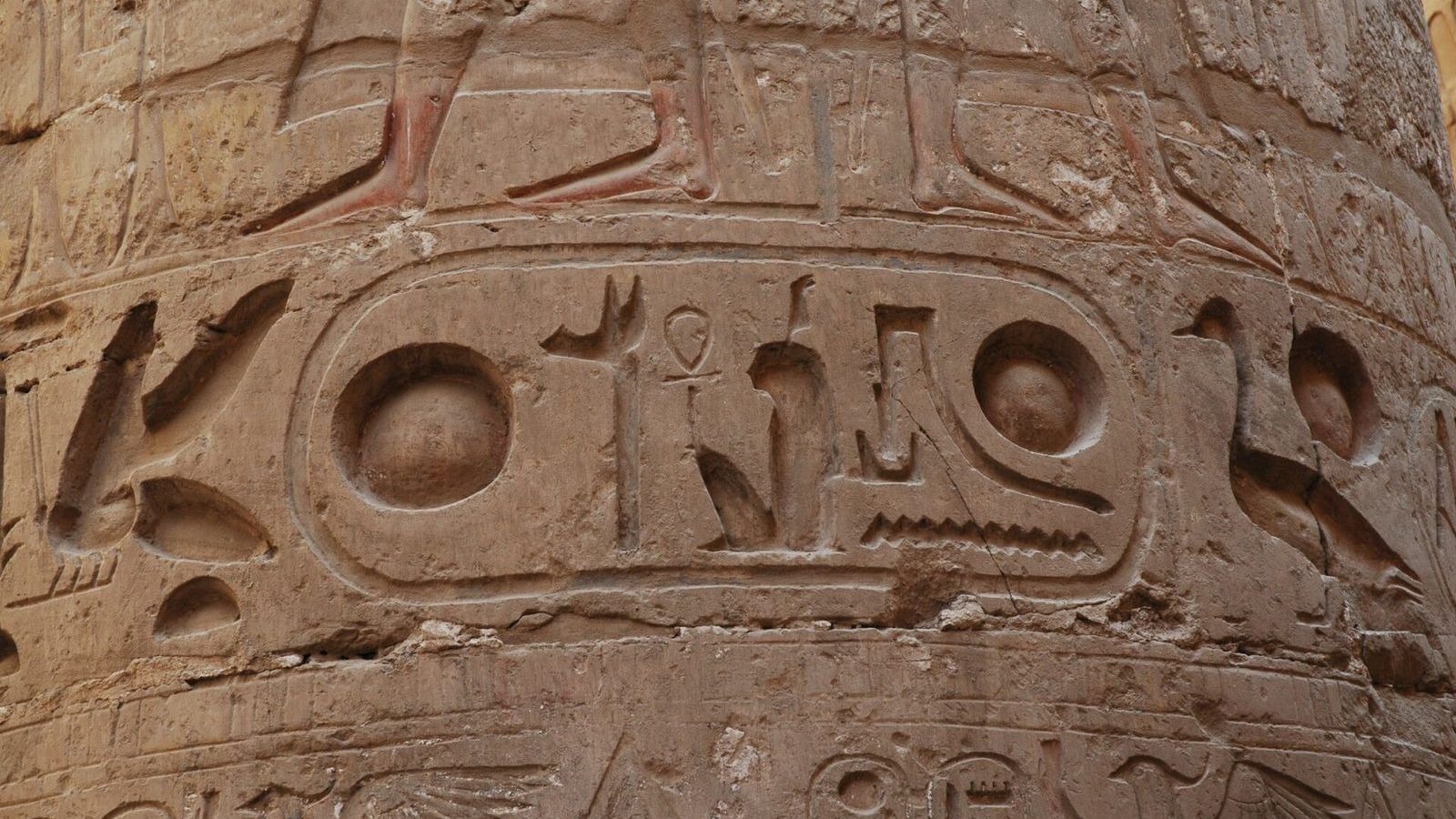
How to read a cartouche in a museum
Ten signs are enough to read the names of most of the famous kings of Egypt on the objects in any museum. Here they are, with the rules for putting them together and a worked example.
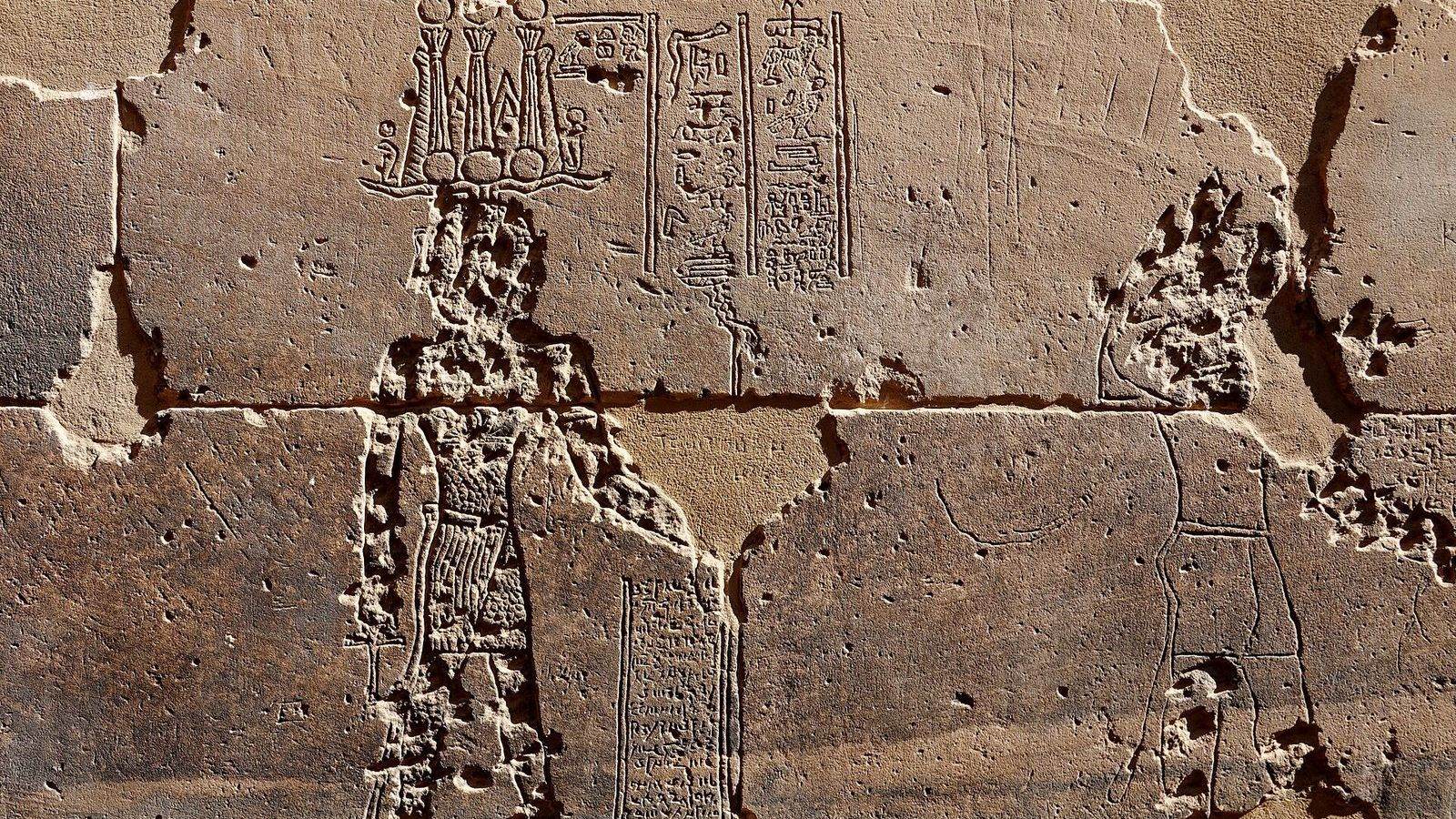
The last person who could read hieroglyphs
On 24 August AD 394 a priest at Philae carved a short inscription beside a figure of a Nubian god. It is the last dated hieroglyphic text in the world. Fourteen centuries passed before anyone could read it again.
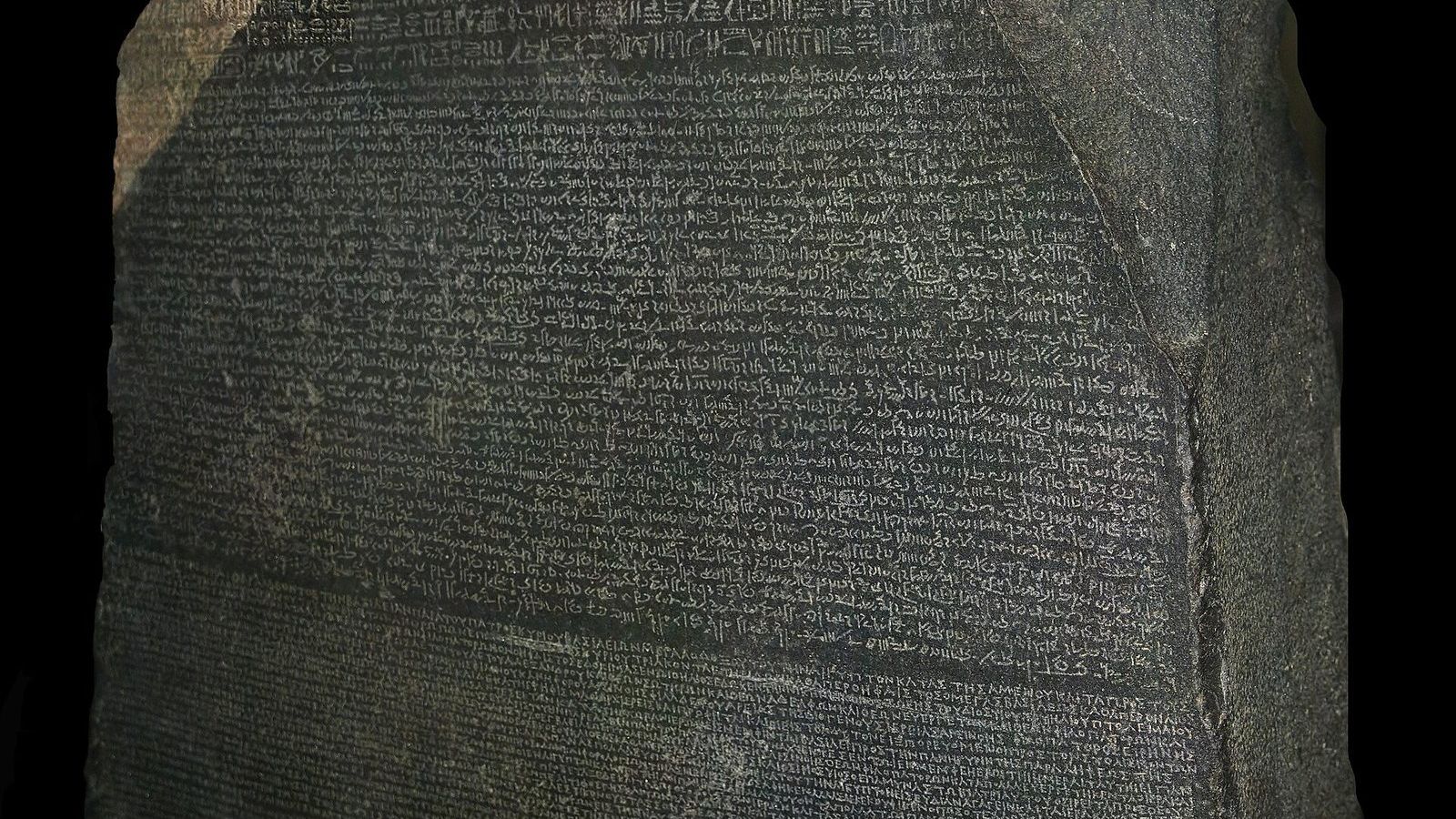
What the Rosetta Stone actually says
Everyone knows that the Rosetta Stone unlocked hieroglyphs. Few people know what is written on it: a tax deal between a boy king and the priests of Egypt, dated 27 March 196 BC, with the terms set out clause by clause.
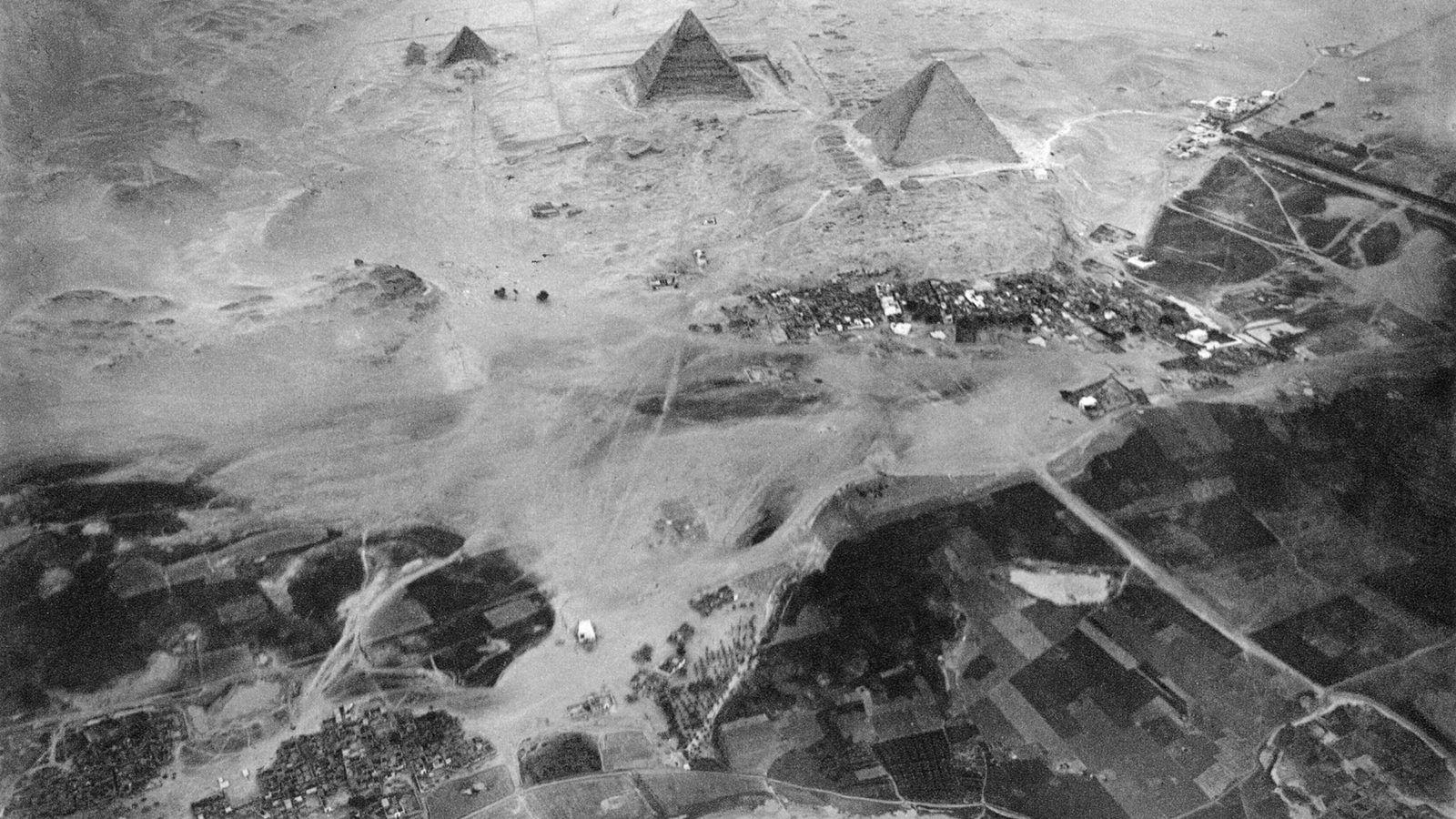
Why Cleopatra lived closer to us than to the pyramids
Cleopatra VII died in 30 BC. The Great Pyramid was finished about 2560 BC. The Moon landing was 1,999 years after her death and the pyramid was about 2,530 years before it. Egyptian history is long in a way that is hard to feel, and the Egyptians themselves felt it too.
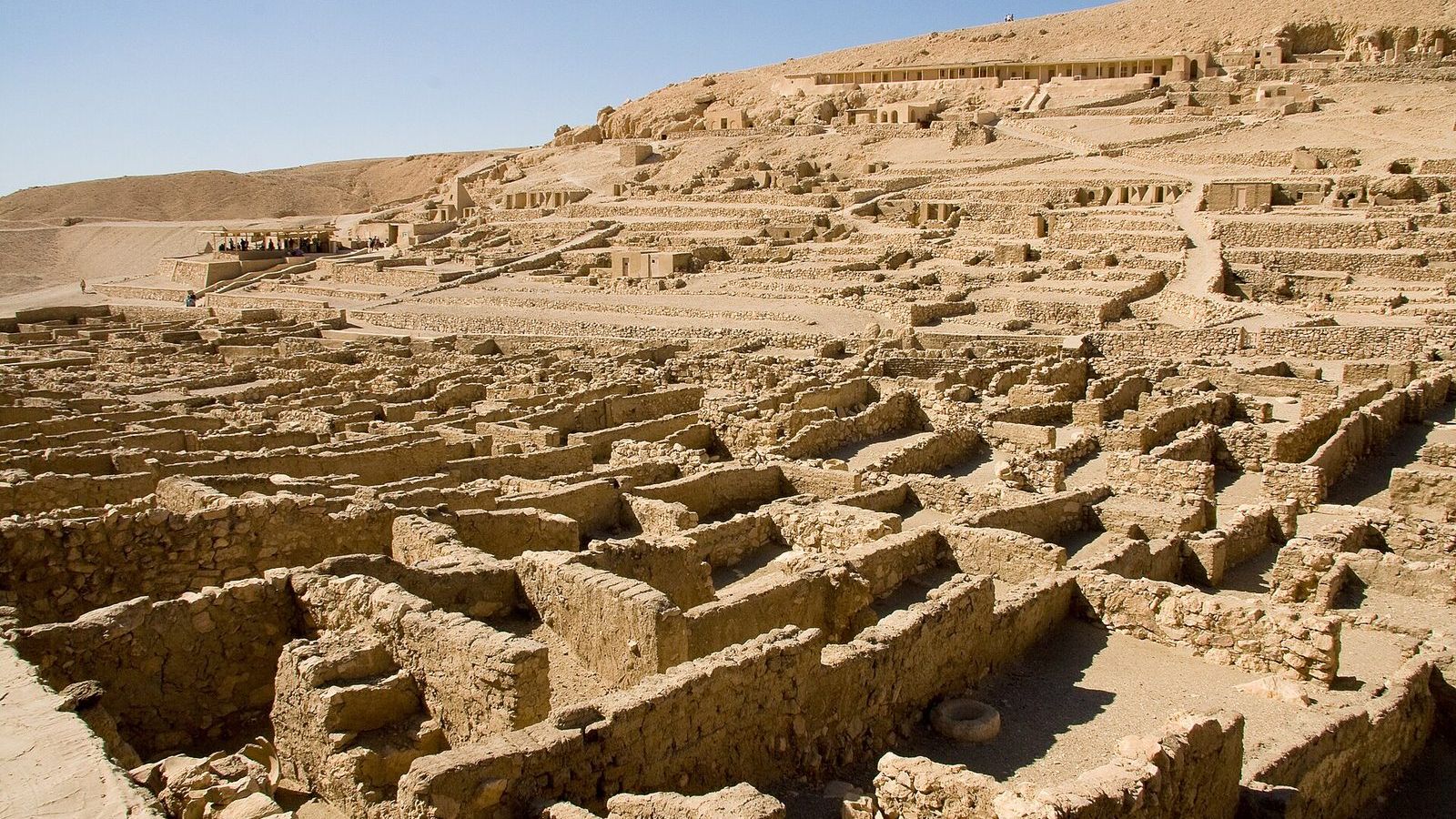
The tomb builders who put down their tools
In the twenty-ninth year of Ramesses III the men who cut the royal tombs stopped work because their grain had not arrived. A scribe wrote down what they said. It is the oldest strike in writing.